Quick Answer
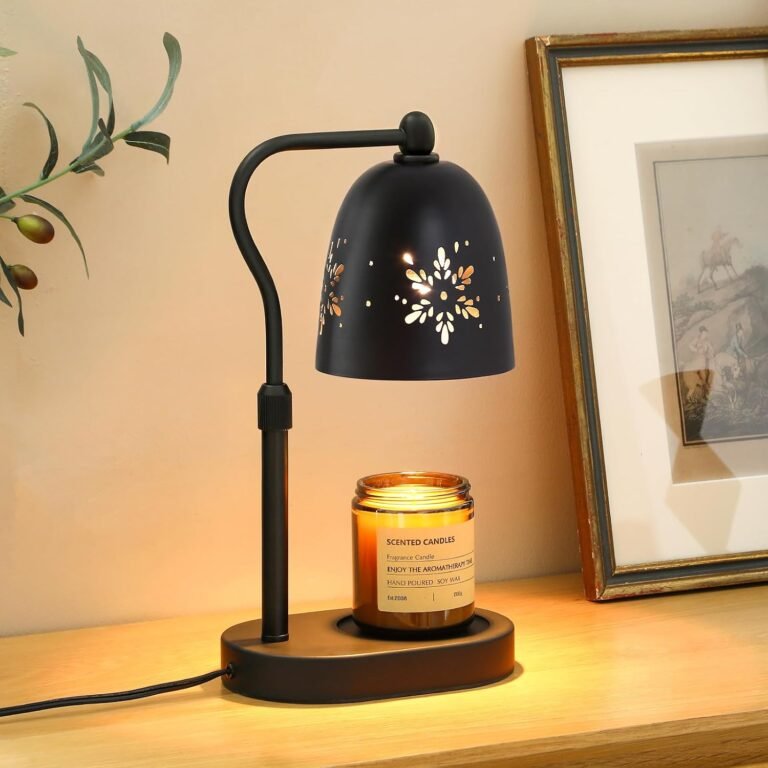
To use a candle warmer lamp, place a candle jar under the lamp, adjust the height so the bulb warms the wax, and turn the lamp on. The heat melts the wax from above and releases its scent without a flame. Keep the lamp on a stable surface, follow the maker’s instructions, and never leave it running while you are away or asleep.
A candle warmer lamp works best with candles in heat-safe glass jars. It is not the same as a wax warmer or hot plate. The lamp warms the candle from above, while a hot plate warms it from below.

What Is a Candle Warmer Lamp?
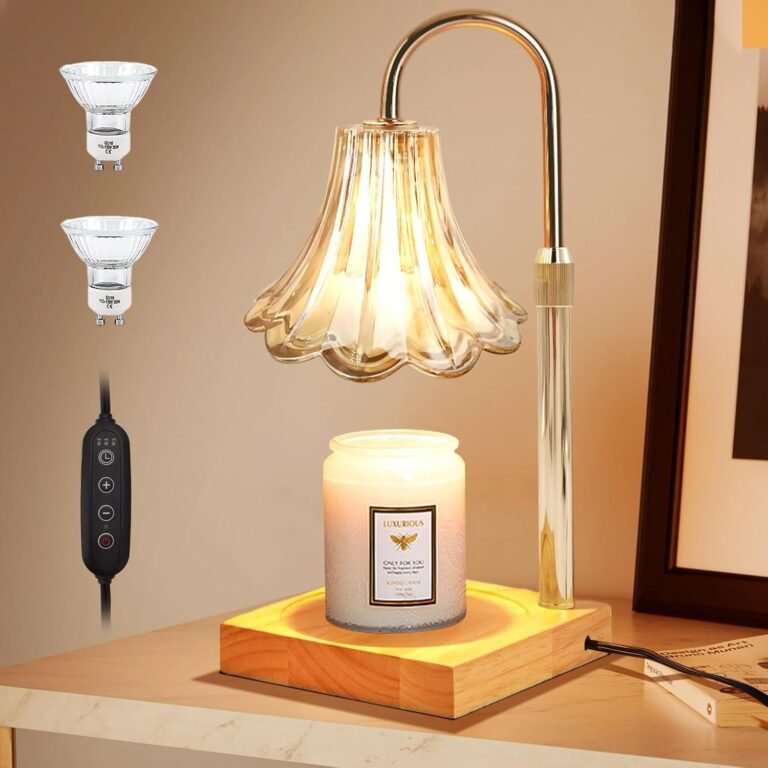
A candle warmer lamp is an electric device that uses a heated bulb to melt candle wax. Most models include a lamp, a shade, a height adjustment, and a switch or timer.
The lamp melts the top layer of wax. As the wax warms, fragrance moves into the air. Since there is no open flame, the lamp avoids the soot and direct flame linked with burning a candle.
A warmer lamp does not burn the wax. The wax stays in the jar and can release scent again after it cools. However, the lamp still creates heat. Treat it as a heated electrical appliance, not as a risk-free device.
Candle warmer lamp vs. wax warmer
| Feature | Candle warmer lamp | Wax warmer or hot plate |
|---|---|---|
| Heat source | Bulb above the candle | Heating plate below a dish or jar |
| Main use | Melting jar candles | Melting wax cubes or compatible wax |
| Open flame | No | No |
| Needs a candle jar | Usually | Usually no |
| Main setup concern | Correct lamp height | Correct dish or tray |
| Common control | Dimmer, switch, or timer | Switch, thermostat, or timer |
Use only the type of candle and container listed in the product manual. A lamp designed for jar candles may not safely heat a metal tin, plastic container, or very large candle.
How to Use a Candle Warmer Lamp
Follow these steps each time you use the lamp.
1. Check the lamp and candle
Before plugging in the warmer, inspect the cord, plug, bulb, shade, and base. Do not use the lamp if the cord is frayed, the plug is damaged, or the base rocks on the table.
Check the candle jar as well. Do not use a candle with:
- Cracks or chips in the glass
- A loose or damaged lid
- A plastic container
- A container that feels weak or thin
- Wax that has spilled onto the outside
- Decorations that could melt or catch heat
Use a candle that fits fully under the shade. The jar should sit flat and should not touch the bulb or shade.
2. Place the lamp on a safe surface
Set the warmer on a firm, level, heat-resistant surface. Keep it away from curtains, paper, bedding, clothing, and other items that can burn.
Leave space around the lamp for air flow. Do not place it inside a cabinet, on a crowded shelf, or near a sink where water may splash onto it.
Keep the cord away from the edge of the table. A child or pet could pull the lamp down.
3. Put the candle under the lamp
center the candle below the bulb. If the lamp has an adjustable post, raise or lower it according to the manual.
The bulb should warm the top of the wax without touching the jar. If the jar sits too close to the bulb, the glass may become too hot. If it sits too far away, the wax may melt slowly or unevenly.
Do not stack books, boxes, or other objects under the candle to change its height. Adjust the lamp itself or use a model with the correct height range.
4. Turn on the warmer
Plug the lamp directly into a suitable wall outlet unless the manual allows a power strip or extension cord. Turn on the switch or set the timer.
If the lamp has a dimmer, start at a low or medium setting. Increase the heat only if the wax does not melt well and the manual permits this adjustment.
Some models use a halogen bulb. Others use a heating bulb made for candle warmers. Use the exact bulb type and wattage listed by the manufacturer.
5. Watch the first heating cycle
Stay nearby during the first use. Watch how the wax melts and how warm the jar becomes.
The top of the wax should soften and then form a liquid pool. The melt may begin in the center and spread outward. This can take longer than lighting a wick, especially when the lamp is set high or the candle is large.
Stop the lamp if you notice:
- Smoke or a burning smell
- Cracked glass
- Flickering, sparks, or buzzing
- A hot plug or cord
- Wax spilling over the jar
- A shade or base becoming unusually hot
Unplug the lamp only when it is safe to do so. Let the candle and lamp cool before moving them.
6. Use the timer when available
A timer can reduce the chance of leaving the warmer on for too long. Set it for a period allowed by the manual and your own safety plan.
A timer is not a substitute for supervision. It can fail, and it does not prevent the jar from becoming hot during the set period.
When you finish, turn off the lamp and unplug it if the manual recommends unplugging after use. Wait until the wax and jar are cool before handling the candle.

How Long Should You Run a Candle Warmer Lamp?
Run the lamp only for the time stated in its instructions. There is no single safe time for every model, because heat output, bulb type, candle size, jar shape, and room temperature vary.
As a practical approach, start with a short supervised session. Check whether the wax has melted across the top and whether the jar remains in good condition. If the wax does not melt, do not place the bulb closer unless the manual allows it.
The candle may release less scent over time. Fragrance oils can evaporate from the melted wax even though the wax remains in the jar. When the candle no longer gives off a noticeable scent, remove the wax according to the candle maker’s guidance and replace the candle.
Do not assume that an empty-looking candle is safe to heat. The jar, label, lid, and leftover wax may still become hot.
A simple heat check
Use your senses, but do not touch a hot jar to test it. Look for:
- A stable, liquid wax pool
- No smoke or discoloration
- No cracks in the glass
- No melted labels or plastic parts
- No unusual odor from the lamp or cord
If the jar becomes too hot to handle, turn off the lamp and let it cool. Contact the candle or lamp maker if you are unsure whether the container is suitable.
How to Get an Even Melt and Better Scent
Place the candle in the center of the light beam. An off-center jar may melt on one side and leave hard wax on the other.
A clean glass jar usually warms more evenly than one covered with thick decorations. Remove loose dust from the jar before use, but never clean a hot jar with water.
Use the lamp’s dimmer or height control with care. More heat may melt wax faster, but it can also raise the temperature of the glass and surrounding parts. The goal is steady melting, not the highest possible heat.
A candle warmer lamp may not scent a large open room as quickly as a burning candle. Room size, ventilation, fragrance strength, wax type, and the amount of melted wax all affect the result.
If the candle melts unevenly
Try these checks in order:
- Center the jar under the bulb.
- Confirm that the bulb has the correct wattage.
- Check that the bulb is not near the end of its life.
- Use the height setting listed in the manual.
- Make sure the jar is not too wide for the lamp.
- Stop using the candle if the glass looks damaged.
Do not add water, oil, or extra wax to the candle. Do not place foil around the jar to redirect heat.

Candle Warmer Lamp Safety Rules
A candle warmer lamp removes the flame, but it does not remove all fire, burn, glass, or electrical hazards. The U.S. Consumer Product Safety Commission advises consumers to use electrical products as directed and to stop using products with damaged cords or plugs. The National Fire Protection Association also recommends keeping heat sources away from things that can burn.
Use these rules:
- Read the lamp and candle instructions before use.
- Use the correct bulb and wattage.
- Keep the warmer on a stable, heat-resistant surface.
- Keep children and pets away from the hot jar and lamp.
- Keep flammable items away from the heat.
- Do not cover the lamp or shade.
- Do not use the lamp near water.
- Do not leave it on while sleeping or away from home.
- Do not move the lamp while the wax or jar is hot.
- Do not use a cracked or damaged candle jar.
- Do not use a damaged cord, plug, socket, or switch.
- Do not modify the lamp or bypass a safety feature.
- Do not use a candle container that the lamp maker does not approve.
Can a candle warmer lamp catch fire?
Yes. A warmer lamp can create a fire or burn hazard if it overheats, tips over, touches flammable material, develops an electrical fault, or heats an unsuitable container.
The absence of a flame lowers one type of risk. It does not make the appliance safe to leave unattended. If the lamp smells hot, sparks, smokes, or makes a new buzzing sound, switch it off and unplug it when safe.
If a wax fire occurs, do not pour water onto it. Turn off the power if you can do so safely, leave the area, and call emergency services if the fire does not stop at once.
Is a candle warmer lamp safer than burning a candle?
It may reduce risks linked to an open flame, such as a wick igniting nearby material. It still produces heat and uses electricity, so it needs supervision.
“Safer” depends on the hazard being compared. A lamp may be a better fit for someone who wants fragrance without a flame, but it is not safe to use around water, damaged wiring, unstable furniture, or unattended children.

What to Do When a Candle Warmer Lamp Does Not Work
The wax does not melt
Possible causes include a weak or incorrect bulb, a lamp set too high, a candle that is too wide, or a lamp designed for a different container.
Turn off and unplug the lamp. Once it is cool, confirm the bulb type, tighten the bulb if the manual allows it, and check the height setting. Replace the bulb only with the listed type and wattage.
Do not use a higher-wattage bulb to force faster melting. Excess heat can damage the lamp or jar.
The lamp turns off
A timer may have ended the session. Some models also have an automatic shutoff or a thermal protection feature.
Check the timer, outlet, switch, and bulb after the lamp cools. Do not keep resetting a lamp that shuts off because it may be overheating. If the issue returns, stop using it and contact the manufacturer.
The wax melts but there is little scent
The candle may have a mild fragrance, old fragrance oil, or too little melted wax exposed to the heat. Air flow and room size can also affect how strong the scent seems.
Try a fresh candle that the lamp supports. Do not add fragrance oil directly to the candle unless the candle maker specifically provides that method.
The glass becomes very hot
Turn off the lamp and let the jar cool. Check the container for cracks, bulges, discoloration, or label damage.
If the jar remains unusually hot during normal use, stop using that candle with the lamp. The jar may not be made for this heating method, or the lamp may be too powerful for it.

Which Candles Work With a Candle Warmer Lamp?
Most candle warmer lamps work with candles in heat-safe glass jars, but the exact limits depend on the lamp and candle maker. The jar must fit under the shade and stay clear of the bulb.
A candle may be a poor fit if it has:
- A plastic or soft container
- A narrow neck that traps heat
- A metal lid that sits near the bulb
- Thick exterior decorations
- A damaged or very thin glass jar
- A shape that blocks air flow
- A size outside the lamp’s stated range
A candle with multiple wicks can still work if the lamp maker allows it. The lamp does not need the wicks to burn, but the jar may heat differently because of its size and design.
When in doubt, choose a plain glass jar that fits the lamp and follow the most restrictive instruction from the lamp and candle manufacturers.
Cleaning and Maintaining the Lamp
Unplug the lamp and let it cool before cleaning. Wipe the base and shade with a dry or slightly damp cloth that the manufacturer permits. Keep liquid away from the socket, switch, plug, and cord.
Do not scrape hot wax with a knife. Do not pour hot wax into a sink, toilet, or drain. Wax can harden inside plumbing.
For wax removal, follow the candle maker’s directions. Common methods may include allowing the wax to cool and lift out, but the correct method depends on the jar and wax type. Avoid sudden temperature changes, such as placing a hot glass jar in cold water.
Replace the bulb only with the listed model or specification. If the socket, cord, or switch is damaged, repair or replace the unit rather than improvising a fix.

Key Takeaways
- Place the candle on a stable, heat-resistant surface under the bulb.
- Use only a suitable candle jar and the correct bulb.
- Start with a supervised session and use the timer when available.
- Keep the lamp away from water and anything that can burn.
- Never leave the warmer on while sleeping or away.
- Stop use if you see smoke, sparks, damaged glass, or electrical damage.
- A candle warmer lamp reduces open-flame risk but still creates heat.
Frequently Asked Questions
Do you leave the lid on when using a candle warmer lamp?
Usually, remove the lid unless the lamp maker specifically says the lid may stay on. A lid can block heat, trap heat, or contain parts that are not designed for warming. Store the lid away from the hot lamp while the candle is in use.
Can you use any candle with a candle warmer lamp?
No. Use a candle that fits the lamp and has a suitable container. Avoid plastic, damaged, unstable, or decorated containers unless the instructions clearly approve them.
Does a candle warmer lamp use a lot of electricity?
Its electricity use depends on the bulb’s wattage and how long it runs. For a simple estimate, multiply the bulb’s wattage by the hours used, then divide by 1,000 to get kilowatt-hours.
For example, a 40-watt bulb used for 5 hours uses about 0.2 kilowatt-hours:
40 watts × 5 hours ÷ 1,000 = 0.2 kWh
Your local electricity rate determines the cost.
Can you use a candle warmer lamp without a candle?
Only if the manufacturer allows another item or accessory. Do not place wax cubes, oils, dishes, or random containers under the bulb. A lamp made for jar candles may not safely heat other materials.
How do you know when the candle has no scent left?
The candle may have reached the end of its useful fragrance life when the wax still melts but produces little or no scent during several normal sessions. Let the wax cool before removing it, and follow the candle maker’s disposal instructions.
Sources and Scope
This guide uses general electrical and fire-safety principles from U.S. consumer guidance, including:
- U.S. Consumer Product Safety Commission
- National Fire Protection Association candle safety guidance
- The specific user manual for your candle warmer lamp
- The care and safety instructions supplied with your candle
Product designs differ. The lamp’s manual takes priority for bulb type, wattage, height, timer use, container size, and cleaning.
Conclusion
Using a candle warmer lamp is simple: place a suitable jar under the bulb, set the correct height, turn on the lamp, and watch the first heating cycle. The wax should melt steadily without smoke, damage, or unusual heat.
The safest routine is to use the correct bulb, keep the lamp supervised, and turn it off before leaving the room or going to sleep. If the jar, cord, bulb, or lamp behaves unexpectedly, stop using it until the maker confirms that the setup is safe.