
Introduction
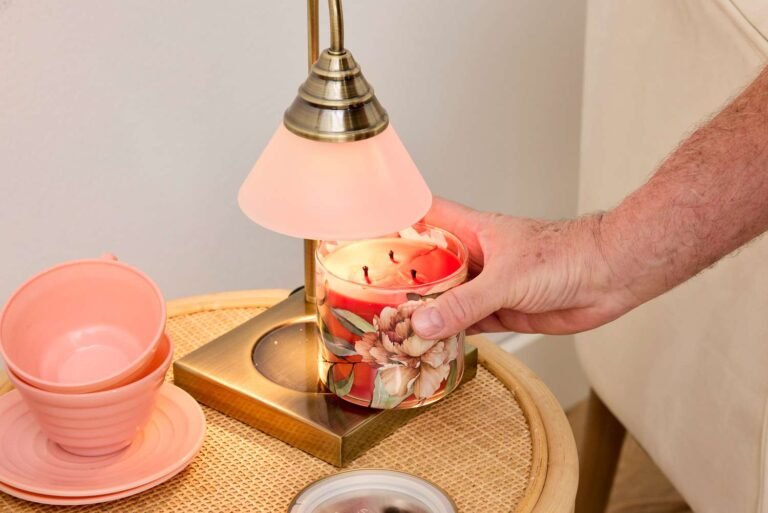
In U.S. homes, a candle warmer lamp melts a candle from above instead of burning a wick. The lamp uses a heated bulb or heating element to warm the wax. As the wax melts, fragrance oils mix into the liquid wax and release scent into the room.
This process gives you candle fragrance without an open flame. However, a warmer lamp still creates heat, and the wax, lamp, bulb, and candle jar can become hot. Safe use depends on the lamp design, candle size, bulb type, and placement.

What Is a Candle Warmer Lamp?
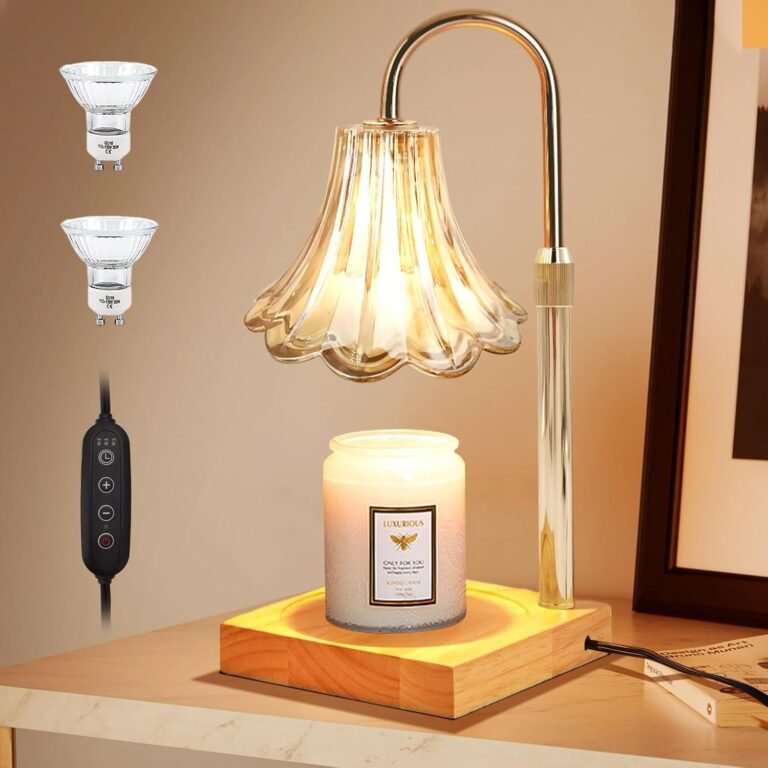
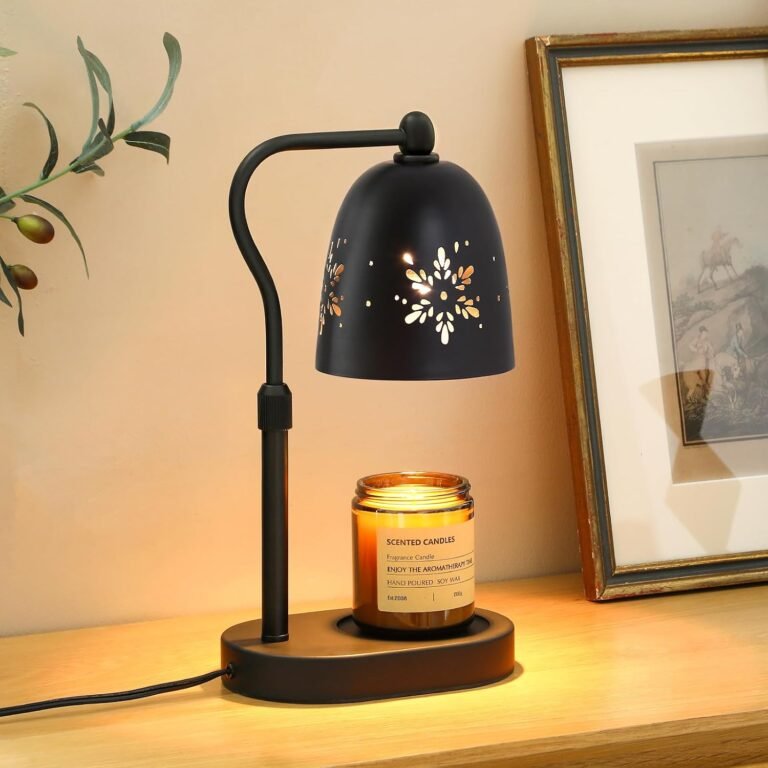
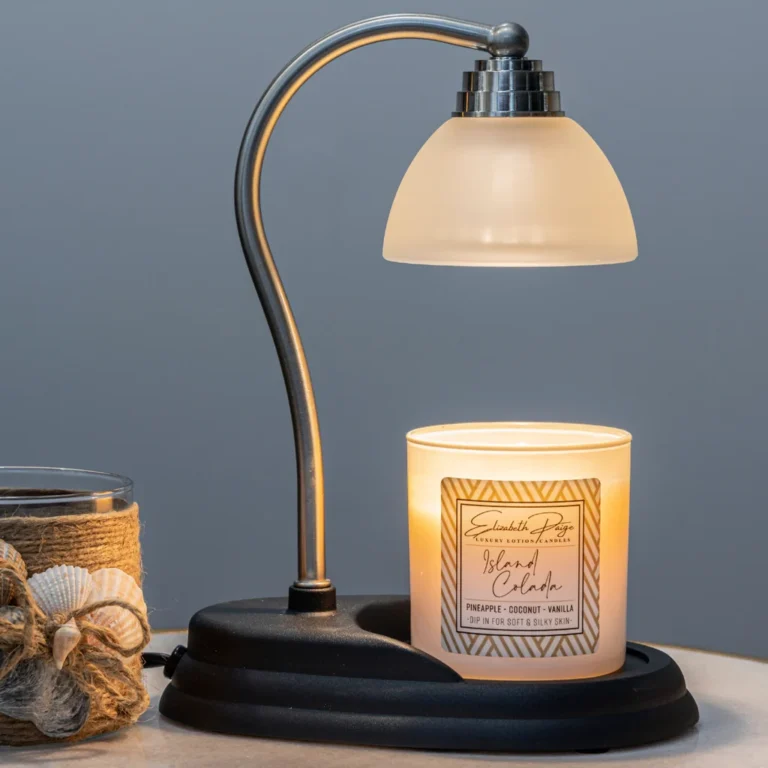
A candle warmer lamp is an electric device that sits above a candle. It has a stand, a shade or bulb housing, and a heat source. The heat travels downward and melts the top layer of candle wax.
Most models use one of these heat sources:
- A halogen bulb
- An incandescent bulb
- A ceramic heating element
- An LED-style heating system made for wax warming
Many common candle warmer lamps use a halogen bulb because it produces both light and strong heat. Standard LED bulbs often use too little heat to melt candle wax unless the product is built for warming.
A candle warmer lamp is different from a candle warmer plate. A lamp heats the candle from the top. A plate heats the candle from the bottom. The two designs can produce different melt patterns and may suit different jar shapes.
How Does a Candle Warmer Lamp Melt Wax?
A candle warmer lamp works through radiant heat. The bulb sends heat toward the candle surface. The wax absorbs that heat and changes from a solid into a liquid.
The process usually follows these steps:
- You place a candle under the lamp.
- You turn on the lamp or set its timer.
- The bulb warms the top of the candle.
- The wax near the surface begins to melt.
- The melted wax releases fragrance into the air.
- You turn off the lamp when the candle has released enough scent.
The heat does not need to touch the wax directly. This is why the lamp can sit above the jar with a small air gap.
Why Does Melted Wax Smell?
Candle wax holds fragrance oils. When the wax warms, the oils become more active and move into the air. Air currents then carry the scent through the room.
The wax does not need to burn for this to happen. A flame creates much more heat and also burns part of the wax and fragrance. A warmer lamp only heats the wax. It does not create a flame or burn the wick.
How Long Does a Candle Warmer Lamp Take to Work?
The time depends on the candle size, wax type, bulb power, lamp height, room temperature, and jar shape.
A small candle may begin to soften within a few minutes. A larger jar can take longer to form a full melt pool. Some lamps allow you to adjust the height or heat level, which can change the warming time.
Do not treat a full melt pool as the only sign of success. The main goal is a pleasant scent at a safe heat level. If the jar becomes too hot to handle, turn the lamp off and let it cool.

What Parts Make Up a Candle Warmer Lamp?
A warmer lamp has several parts that work together. The exact design varies by brand and model.
| Part | Function |
|---|---|
| Heating bulb or element | Produces heat that melts the wax |
| Shade or housing | Directs heat toward the candle |
| Stand or frame | Holds the heat source above the jar |
| Height adjustment | Helps fit different candle sizes |
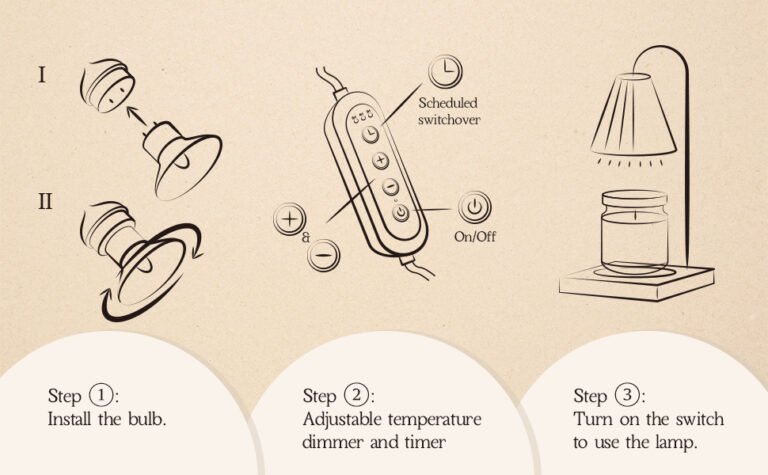
| Timer | Turns the lamp off after a set period |
| Dimmer or heat control | Changes light and heat output on some models |
| Power cord | Connects the lamp to a U.S. electrical outlet |
| Base or tray | Supports the candle and catches small wax drips |
The bulb is often the most important replaceable part. A replacement must match the lamp maker’s instructions for wattage, voltage, shape, and base type.
Do not use a random bulb because it fits the socket. A bulb with too much heat may damage the lamp, jar, or nearby surface. A bulb with too little heat may not melt the wax.
Candle Warmer Lamp vs. Burning a Candle
Both methods can release fragrance, but they work in different ways.
| Feature | Candle warmer lamp | Burning candle |
|---|---|---|
| Open flame | No | Yes |
| Wick used | No | Yes |
| Wax heated | Usually from above | Near the wick |
| Smoke or soot | Usually less likely | Possible |
| Flame-related fire risk | Removed | Present |
| Electric power | Required | Not required |
| Heat risk | Still present | Present |
| Fragrance release | From warmed wax | From warmed and burning wax |
| Wax consumption | Often slower | Wax is consumed by the flame |
A warmer lamp removes the open flame, but it is not risk-free. The lamp can overheat, the glass jar can become hot, and nearby items can catch fire if they touch the bulb or housing.
A candle warmer also does not “refresh” fragrance forever. Over time, the most volatile fragrance compounds may leave the wax. The remaining wax may smell weaker even though some wax is still in the jar.

How to Use a Candle Warmer Lamp Safely
Follow the product manual first. Different lamps have different limits for candle size, jar shape, bulb type, and operating time.
1. Inspect the lamp and candle
Before use, check for:
- A cracked candle jar
- A damaged power cord
- A loose bulb
- Melted plastic
- A tilted or unstable stand
- Wax on the lamp housing
- A candle that does not fit under the lamp
Do not heat a cracked or damaged jar. Heat can cause the glass to break.
2. Place the lamp on a stable surface
Use a flat, dry, heat-resistant surface. Keep the lamp away from curtains, paper, bedding, clothing, and other items that can burn.
Leave space around the lamp for air flow. Do not cover the lamp or place objects on top of it.
3. Center the candle below the heat source
The candle should sit under the bulb or heating element. Keep the jar level. If the lamp has an adjustable height, set it according to the product instructions.
Do not place the jar so close to the bulb that the glass touches the bulb or shade.
4. Use the correct bulb
Check the lamp label or manual for the correct bulb. Match:
- Bulb type
- Wattage
- Voltage
- Socket size
- Shape
- Heat rating
For a U.S. product, use the voltage listed for the lamp. Do not modify the lamp for a different electrical system.
5. Set a timer when available
A timer can reduce the chance of leaving the lamp on for too long. It does not replace supervision. Check the candle and lamp during use, especially the first time.
6. Turn the lamp off if the jar gets too hot
A candle jar may feel warm, but it should not show damage, smoke, cracking, or unusual color changes. If the jar becomes dangerously hot, turn off the lamp and unplug it if you can do so safely.
Let the candle cool before moving it.
Signs of normal operation
A normally working lamp may show:
- Wax softening near the top
- A gradual melt pool
- A steady scent
- A warm but stable jar
- No smoke or burning smell
- No flickering caused by a loose electrical connection
A strong electrical smell, smoke, sparking, melted parts, or unusual noise means you should stop using the lamp.

Can You Use Any Candle With a Warmer Lamp?
Many jar candles work with a warmer lamp, but not every candle is a good match. The candle must fit under the lamp and tolerate the heat.
Good matches
A suitable candle usually has:
- A stable glass or heat-rated container
- A flat top
- Enough space below the bulb
- No cracked or damaged glass
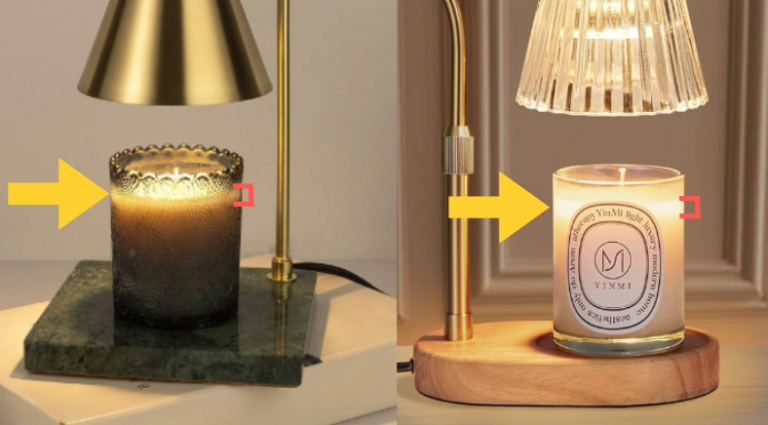
- A diameter that fits the lamp
- Wax that melts under the lamp’s heat
Soy, paraffin, coconut, beeswax, and blended waxes may all work. They can melt at different speeds, so the same lamp may perform differently with each candle.
Candles that need caution
Use extra care with:
- Very tall candles
- Narrow candles
- Metal tins
- Decorative jars
- Candles with dried flowers, herbs, or other objects
- Candles with loose lids or labels near the heat
- Containers with unknown glass quality
Some decorative candles contain materials that are safe only when used as directed with a wick. A warmer lamp may heat those materials in a different way.
What about wax melts?
A candle warmer lamp is usually made for jar candles, not loose wax melts. Use wax melts only if the lamp maker says the tray or dish can handle them.
Do not place loose wax directly on a bulb, shade, or electrical part.
Why Is My Candle Warmer Lamp Not Melting the Wax?
If the wax stays hard, check the cause in a safe order.
The bulb may be too weak
A standard LED bulb may produce light but not enough heat. Check whether the lamp requires a halogen or other warming bulb.
The lamp may be too far from the candle
Some lamps allow height adjustment. If the bulb sits too high, less heat reaches the wax. Follow the maker’s spacing instructions. Do not lower the bulb until it touches the jar.
The candle may be too large
A small lamp may not heat a wide or tall jar evenly. Try a candle size that fits the lamp’s stated limits.
The bulb may be old
Heating bulbs can lose performance or fail. Replace the bulb only with the specified type.
The wax may need more time
A cold room, thick wax, or large jar can slow melting. Use the timer and monitor the lamp rather than leaving it on for an extended period without checks.
The candle may have lost much of its fragrance
If the wax melts but the scent is weak, the issue may not be the lamp. Fragrance can fade with age, heat exposure, storage, or repeated warming.

Why Is the Wax Melting Unevenly?
Uneven melting is common when the heat source is small or off-center. The top may melt in the center while wax near the jar wall stays solid.
Possible causes include:
- The jar is wider than the heated area
- The bulb is not centered
- The lamp is too high
- The wax blend melts slowly
- The candle is not level
- The room is cold
- The lamp has low heat output
Do not scrape hot wax toward the center while the lamp is on. Instead, turn off the lamp, let the candle cool, and check the setup. If the lamp does not warm the candle evenly after proper adjustment, the lamp and candle may be a poor match.
Are Candle Warmer Lamps Safe?
Candle warmer lamps can reduce the risks linked to an open flame, but they still use electricity and heat. The U.S. Consumer Product Safety Commission advises consumers to follow product safety instructions and keep heating devices away from items that can burn.
Key risks include:
- Hot glass
- Hot wax
- Electrical shock
- Damaged cords
- Bulb failure
- Fire from nearby items
- A lamp tipping over
- Burns from moving the jar too soon
Use a lamp with a sound cord and stable base. Stop using it if you see damage. Keep children and pets away from the hot jar and lamp.
Do not use a warmer lamp near water. Do not operate it while sleeping or when you are away from home unless the product instructions clearly support that use and the setup remains supervised.
A timer lowers the chance of extended operation, but it cannot prevent every problem.
Does a Candle Warmer Lamp Save Candle Wax?
A warmer lamp often uses wax more slowly than a burning wick because there is no flame consuming the wax. This does not mean the candle will provide unlimited fragrance.
The wax remains in the jar, but fragrance oils may leave the wax during warming. After many uses, the candle may produce less scent. At that point, more heating may only make the jar hot without providing much benefit.
Dispose of the candle when:
- The scent is nearly gone
- The jar is damaged
- The wax has collected dirt or debris
- The label or container shows heat damage
- The candle no longer sits safely under the lamp
Do not pour melted wax into a sink. It can cool inside the drain and cause a blockage. Let small amounts harden, then follow local household waste rules.

Candle Warmer Lamp Pros and Cons
A warmer lamp may fit your needs if you want candle fragrance without a flame. It also has limits.
Advantages
- No open flame
- No wick trimming
- Less chance of soot from a burning wick
- Can warm a candle without consuming wax as quickly
- Often includes a timer
- May work with candles that have damaged or short wicks, if the jar is still safe
- Can provide light from the bulb
Limitations
- Requires an electrical outlet
- Still creates heat
- May melt wax unevenly
- Does not work well with every jar
- Needs the correct bulb
- May reduce fragrance over time
- Can make glass and wax hot
- May take longer than lighting a candle to reach a strong scent
The best choice depends on what matters most. Choose a warmer lamp when you want to avoid an open flame. Choose a traditional candle when you want the visual effect and natural movement of a flame, and you can safely supervise it.
How to Choose a Candle Warmer Lamp
Look for features that match your candle size and use.
Heat control
A dimmer or heat control can help you adjust the lamp for small and large jars. More heat is not always better. A lower setting may reduce overheating and improve control.
Height adjustment
An adjustable stand can fit more candle sizes. Check the minimum and maximum height before buying.
Timer settings
A timer can help prevent long periods of operation. Common timer designs vary, so read the product details rather than assuming every model shuts off at the same time.
Stable construction
A wide base and firm frame can reduce the chance of tipping. The lamp should not wobble when you place a candle under it.
Bulb replacement
Check whether replacement bulbs are easy to find in the United States. Confirm the exact bulb type before ordering.
Candle size limits
A lamp made for a small jar may not warm a large three-wick candle well. Compare the lamp’s stated candle diameter and height with your candle.
Electrical safety information
Look for clear instructions, a complete product label, and a cord made for the intended U.S. outlet. Avoid damaged, altered, or poorly labeled products.
Frequently Asked Questions
Do candle warmer lamps use electricity?
Yes. Most candle warmer lamps plug into a U.S. household outlet. Some newer designs may use other power sources, but the product label will state the required power.
Can a candle warmer lamp cause a fire?
It can create a fire risk if it overheats, tips over, has damaged wiring, or sits near flammable items. The lack of an open flame lowers one type of risk but does not remove all heat and electrical hazards.
Can you leave a candle warmer lamp on overnight?
It is safer to turn it off before sleeping or leaving the room. Use a timer as an added control, not as a reason to ignore the lamp or product instructions.
Do candle warmer lamps work with three-wick candles?
They may work if the lamp can heat the full width of the jar. A narrow heating area may melt only the center of a wide three-wick candle. Check the lamp’s size limits.
Can you add fragrance oil to a candle under a warmer lamp?
Do not add oil unless the candle maker or lamp instructions specifically allow it. Extra oil can change how the wax heats and may create spills or other hazards.
Key Takeaways
- A candle warmer lamp melts wax from above with a heated bulb or element.
- The warmed wax releases fragrance without burning the wick.
- A warmer lamp removes the open flame but still creates heat and electrical risks.
- Use the correct bulb, keep the lamp stable, and follow the maker’s instructions.
- Stop using the lamp if the jar cracks, the cord heats up, or you smell burning.
- Choose candles that fit the lamp and have a sound, heat-rated container.
Conclusion
Candle warmer lamps work by sending controlled heat into the top of a candle. The heat melts the wax, which lets fragrance oils move into the air without a burning wick.
For safe use, match the lamp to the candle, use the correct bulb, keep flammable items away, and monitor the jar as it warms. A lamp can be a practical alternative to a flame, but it should still be treated as a hot electrical appliance.
One Comment