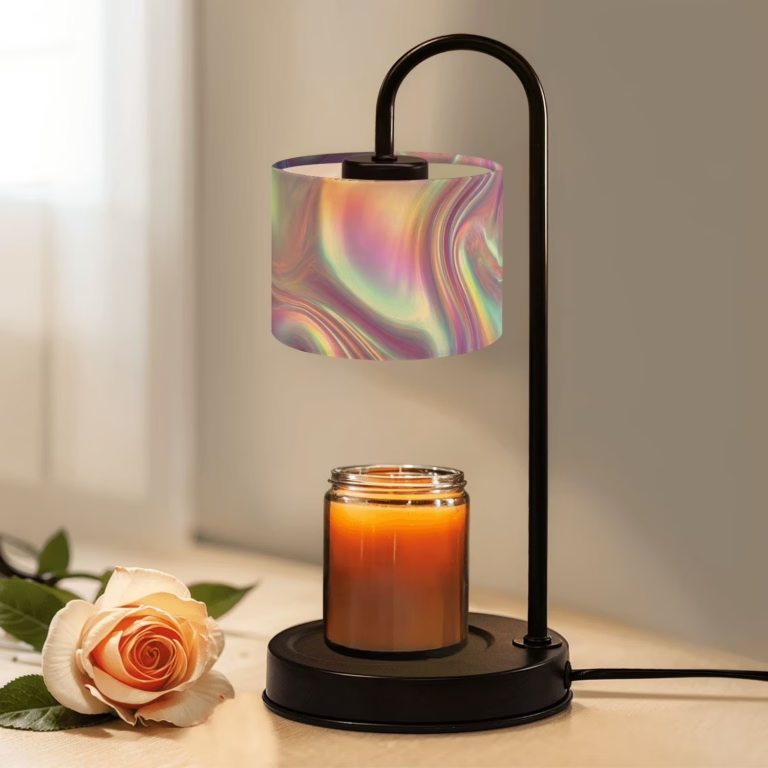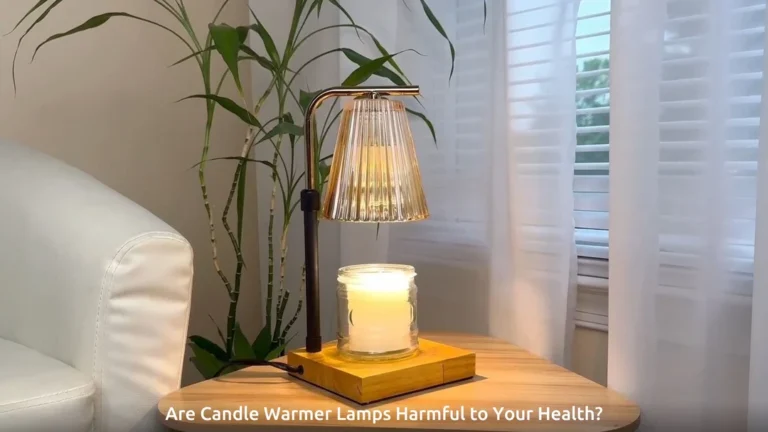
A candle warming lamp uses heat from a bulb to melt the wax in a candle jar from above. As the wax melts, it releases fragrance into the air without using a flame. In the United States, these lamps are often used as a lower-flame alternative for enjoying scented candles at home, in offices, bedrooms, and apartments.
The lamp does not burn the wax. Instead, it warms the top layer until a liquid wax pool forms. The fragrance then evaporates from the warm wax. The lamp itself still has hot and electrical parts, so it needs the same care as other heated home devices.
What Is a Candle Warming Lamp?
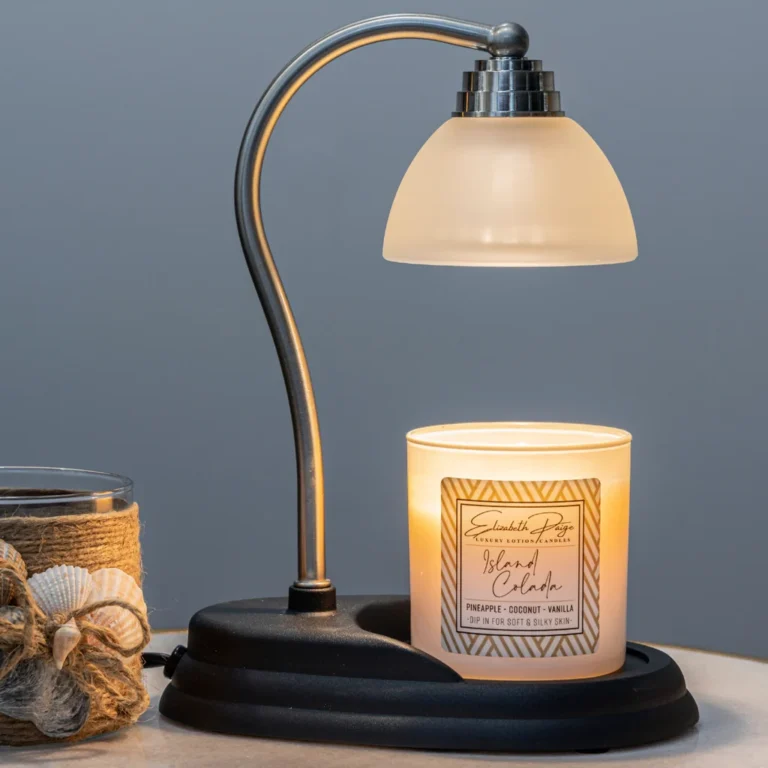
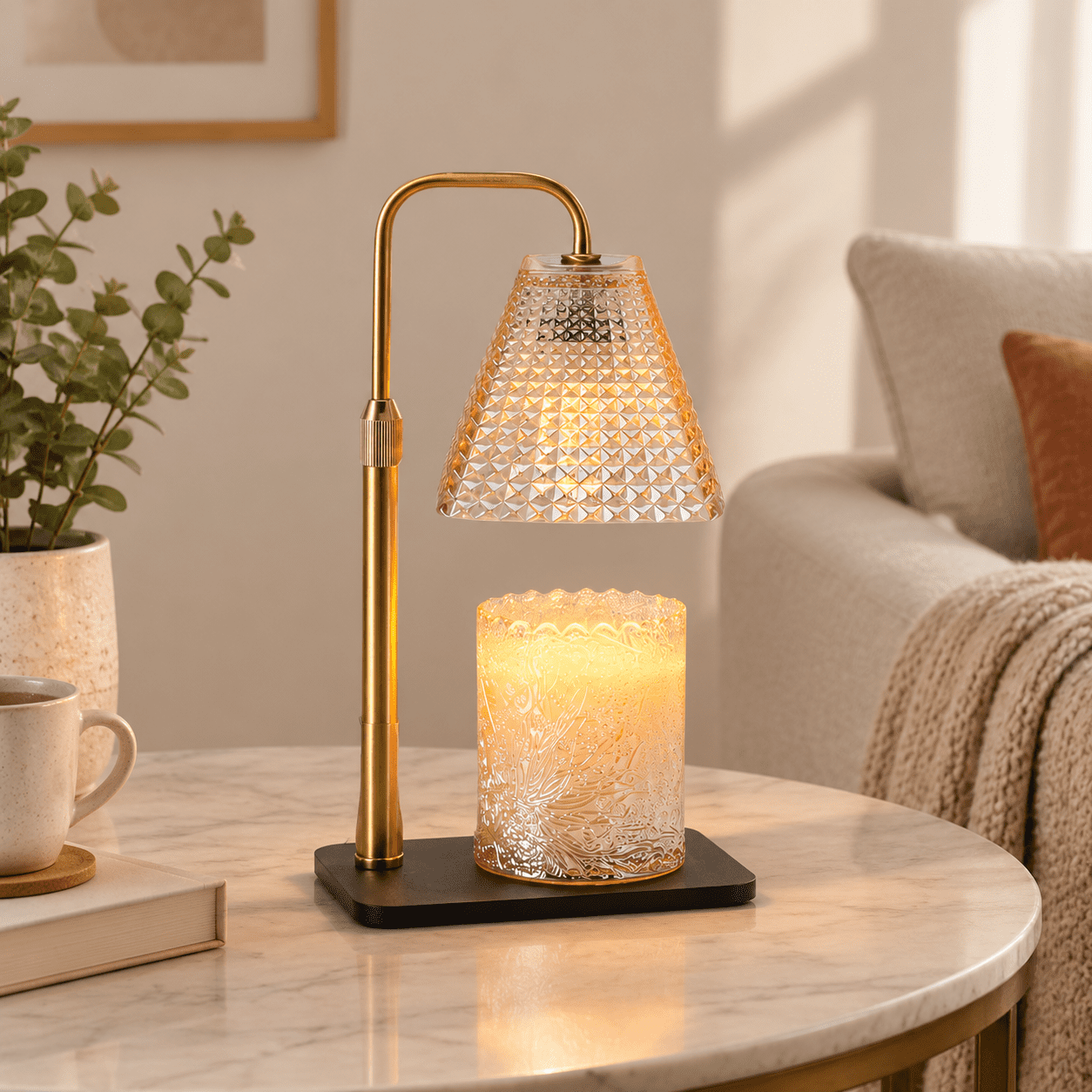
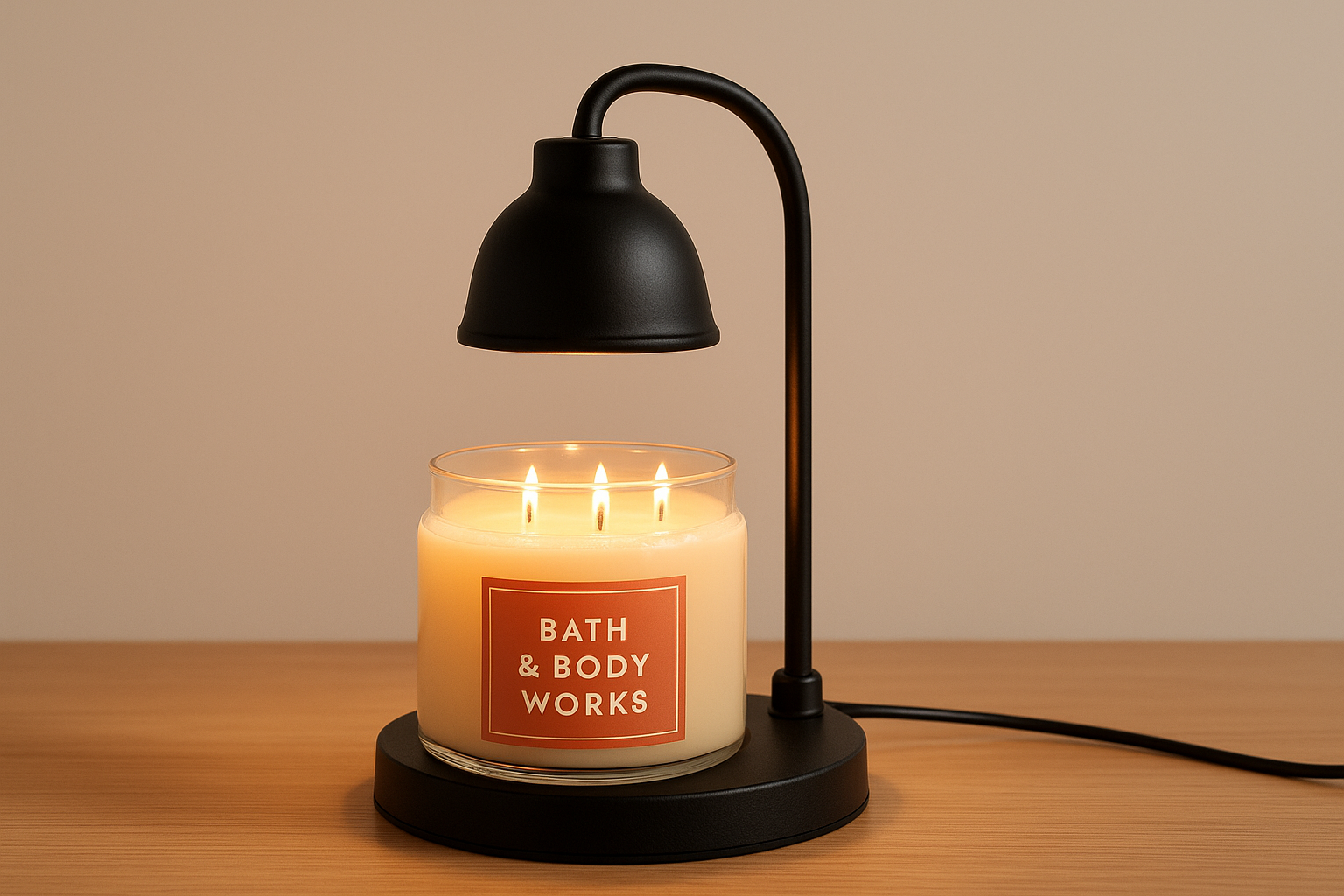
A candle warming lamp is an electric device that sits above or beside a candle jar. Most overhead models use a built-in bulb to send heat down into the candle. The heat melts the wax and releases its scent.
Unlike a normal candle, a candle warming lamp does not need a lit wick. This means there is no open flame, soot from combustion, or smoke from a burning wick. However, “flame-free” does not mean “risk-free.” The lamp and melted wax can still become hot.
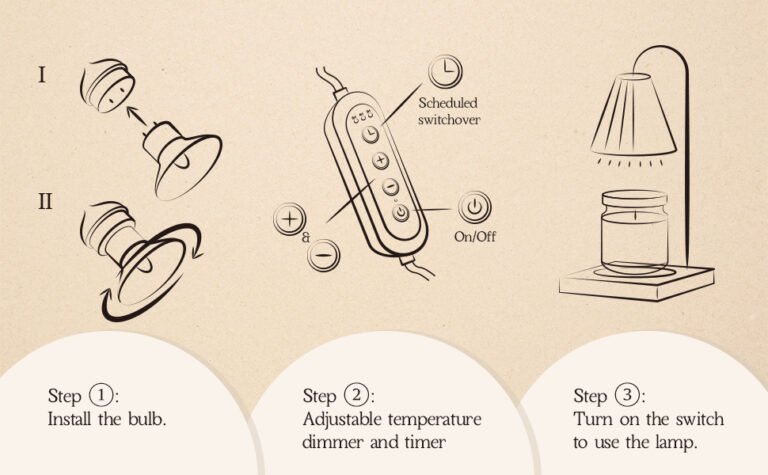
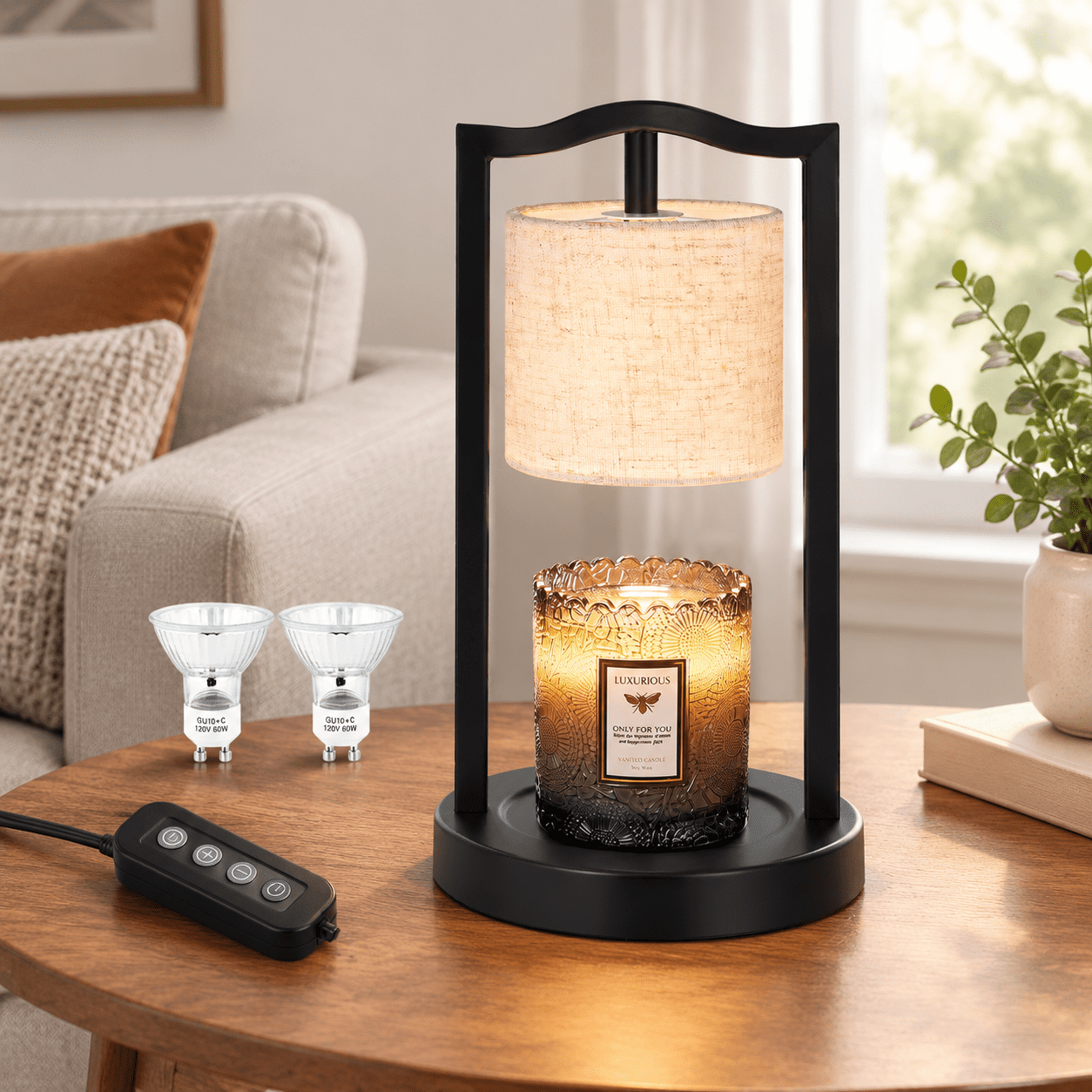
A typical candle warming lamp includes:
- A base or stand for the candle jar
- An overhead arm or lamp head
- A heating bulb
- A shade or reflector
- An on/off switch
- A timer, dimmer, or brightness control on some models
- A power cord or rechargeable battery system
Some products use a lamp above the candle. Others use a heated plate under the jar. These products are related, but they work in different ways. An overhead candle warmer heats the wax from the top, while a warming plate heats it from below.

How Does a Candle Warming Lamp Work?
A candle warming lamp works by transferring radiant heat from a bulb to the wax. The bulb warms the surface of the candle until the wax changes from solid to liquid.
Here is the process:
- You place a suitable candle jar under the lamp.
- The bulb sends heat toward the wax.
- The top layer of wax begins to soften.
- A liquid wax pool forms across the surface.
- Heat helps fragrance compounds leave the wax and enter the surrounding air.
- The scent spreads through the room without a flame.
The lamp does not create fragrance. The fragrance is already mixed into the candle wax. The heat simply helps release it.
The role of the bulb
Many candle warming lamps use halogen or incandescent-style heating bulbs because they produce both light and heat. Some use a ceramic or other heating element instead. An ordinary low-heat LED bulb may provide light but not enough heat to melt candle wax.
The exact heating speed depends on the bulb, distance, candle size, room temperature, jar material, and wax type. A lamp with a dimmer may let you control the heat, but a brighter setting does not always mean better performance. Excess heat can make the jar too hot and may shorten the useful life of the fragrance.
Why the scent is released
Candle fragrance contains aromatic compounds that can move into the air when the wax becomes warm. The warmer the wax, the faster scent may spread. The scent can also change as the candle ages because different fragrance ingredients evaporate at different rates.
A warmer may produce a strong scent without burning the wick. It does not guarantee that all fragrance will be released evenly or that every candle will perform the same way.
How to Use a Candle Warming Lamp
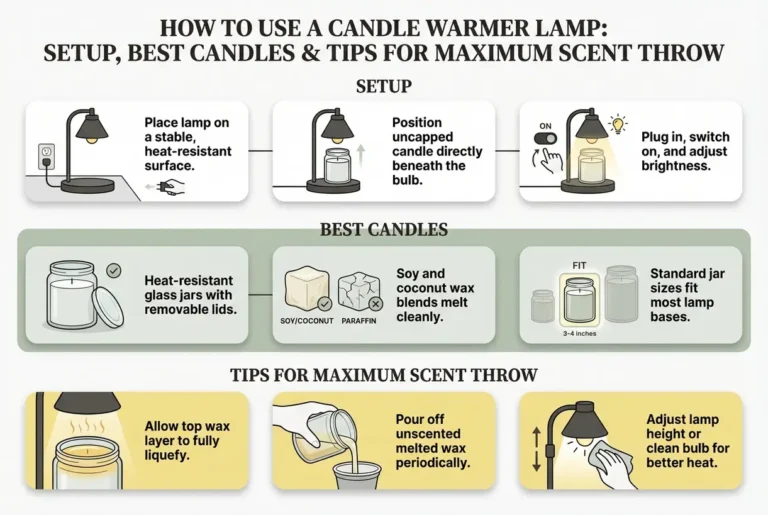
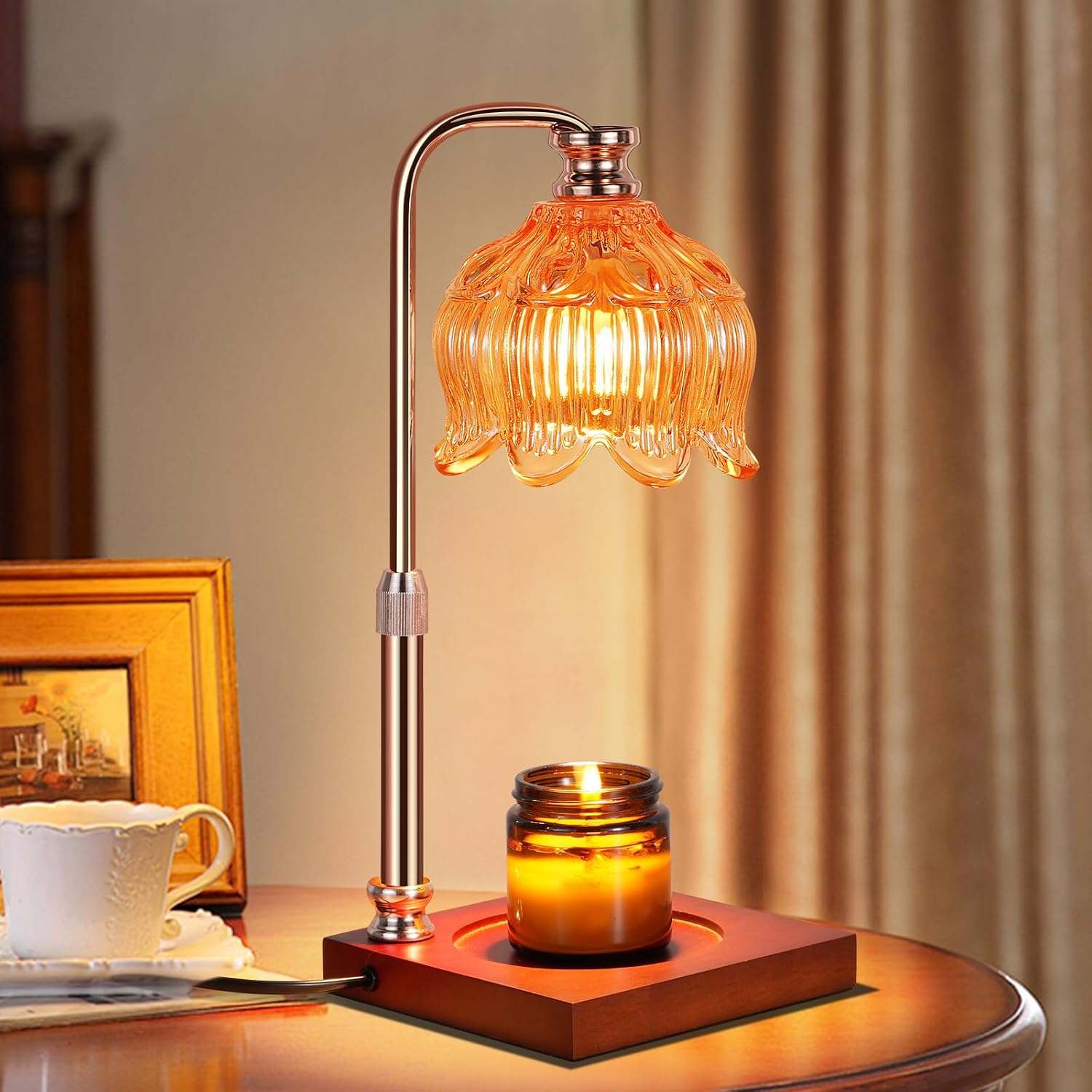
Use a candle warming lamp on a stable, heat-safe surface and follow the product manual. The basic steps are simple, but candle size and jar condition matter.
Step 1: Check the candle jar
Use a candle in a sturdy, heat-resistant container. Do not use a jar that is cracked, chipped, leaking, or designed only for decoration.
Avoid placing these items under a warming lamp:
- Plastic containers
- Thin glass containers
- Open bowls without a stable base
- Candles with loose lids, paper, ribbons, or decorations
- Containers with metal parts that can become very hot
- Homemade candles in untested or fragile vessels
If you do not know whether the container can handle heat, choose another candle or check with the candle maker.
Step 2: Remove the lid and decorations
Take off the lid before turning on the lamp. Remove paper labels, fabric covers, dried flowers, crystals, and other decorations that could heat up.
Keep the candle clear of anything that could touch the bulb or block ventilation.
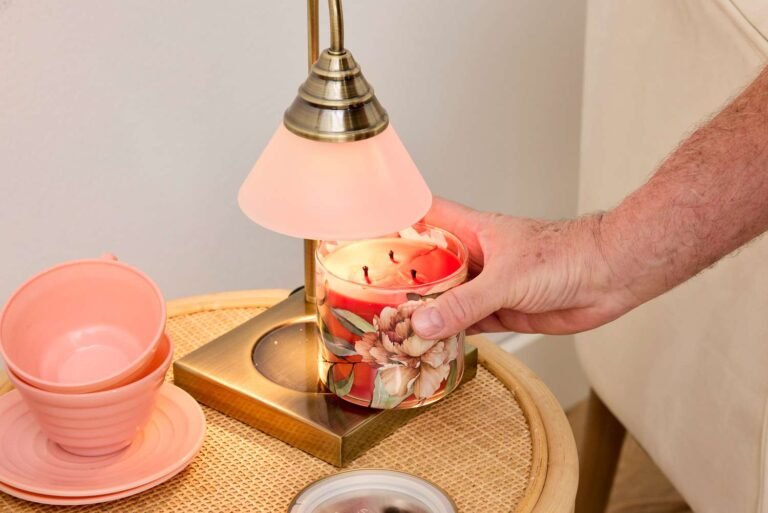
Step 3: Center the candle
Place the jar in the center of the lamp’s heating area. It should sit flat and remain stable. Do not force a jar into a space that is too small.
A centered candle usually warms more evenly. If the jar sits too far to one side, one area may melt while another stays solid.
Step 4: Start with a low setting
If the lamp has a dimmer, start at a low or medium setting. Increase the heat only if the wax does not begin to soften after a reasonable period.
The goal is a warm, even wax pool, not the hottest possible surface. Follow the manufacturer’s time limits and timer settings.
Step 5: Monitor the candle
Check the jar during use. Stop the lamp if you see:
- Cracks in the jar
- Leaking wax
- Smoke or a burning smell
- A cord or plug becoming hot
- Flickering, sparking, or unusual noise
- Excessive heat around the base
- A candle jar becoming too hot to handle safely
Let the candle and lamp cool before moving them.
Step 6: Turn off and cool the lamp
Use the switch or timer to turn off the lamp. Do not move the candle while the wax is liquid unless the product instructions specifically allow it.
Keep the lamp unplugged when it is not in use, especially if children or pets can reach it.
How Long Does a Candle Warming Lamp Take to Melt Wax?
A candle warming lamp may begin to soften wax fairly quickly, but the time needed to create a full melt pool varies. A small candle with a strong bulb may warm faster than a large candle with a thick glass jar.
Important factors include:
| Factor | Effect on warming |
|---|---|
| Bulb heat output | More heat may melt wax faster |
| Distance from bulb to wax | Greater distance usually slows warming |
| Candle size | Larger candles often need more time |
| Jar thickness | Thick glass can slow heat transfer |
| Wax type | Different wax blends soften at different temperatures |
| Room temperature | A cold room can slow melting |
| Fragrance load | Fragrance can affect wax behavior and scent strength |
| Air movement | Fans and drafts can carry scent away or cool the jar |
| Lamp design | Reflectors and shades affect heat direction |
Do not judge performance by wattage alone. A lamp’s design, bulb position, and heat direction can matter as much as its listed power.
A candle may smell strong before the entire top melts. If scent is weak, raising the heat may not solve the problem. The candle could have low fragrance content, an old fragrance blend, poor ventilation, or a jar that blocks heat.

Does a Candle Warmer Use Less Wax Than Burning a Candle?
A candle warming lamp does not burn wax, so it usually does not consume wax in the same way as a lit wick. The wax remains in the jar while fragrance leaves the wax over time.
This creates an important difference:
- A burning candle uses wax as fuel.
- A warming lamp melts wax and releases fragrance without combustion.
- Both methods can eventually produce less scent as fragrance compounds leave the wax.
- The remaining wax may still exist after much of the scent has faded.
When a candle no longer smells strong, the wax may contain less usable fragrance even if much of the wax remains. Do not add water, oil, or new fragrance to an old candle unless the candle maker gives specific instructions.
If you remove old wax, let it cool and harden first. Do not pour melted wax into a sink or drain because it can harden inside the plumbing.
Is a Candle Warming Lamp Safer Than a Burning Candle?
A candle warming lamp removes the open flame, which can reduce risks linked to tipped candles, wick flames, and nearby combustible materials. It does not remove all fire, heat, or electrical risks.
The National Fire Protection Association advises keeping candles away from anything that can burn and never leaving burning candles unattended. A warming lamp avoids the candle flame, but the device still has a hot bulb, hot surfaces, a power cord, and a heated glass jar.
- Buy a model with recognized electrical safety testing, such as a valid UL or ETL listing where applicable.
- Follow the included manual.
- Place the lamp on a level, stable surface.
- Keep curtains, paper, bedding, clothing, and other combustibles away.
- Keep the lamp away from water.
- Do not cover the lamp while it is operating.
- Do not touch the bulb or shade until the unit cools.
- Keep cords away from walking paths and hot surfaces.
- Do not use a damaged cord, plug, or lamp.
- Keep children and pets away from the heated candle.
- Use the timer if the product includes one.
- Turn the lamp off before leaving home or going to sleep.
A candle warmer is not a substitute for an approved heating appliance or a way to heat food, oils, or other materials.

Can You Use Any Candle With a Warming Lamp?
You can use many jar candles with a warming lamp, but not every candle is suitable. The container must tolerate heat, and the candle must fit within the lamp’s size limits.
Check the following before use:
Jar shape and size
The candle should fit beneath the lamp without touching the bulb or shade. The lamp must heat the wax evenly. An unusually wide, tall, or narrow jar may not work well.
Container material
Glass is common, but not all glass vessels are made for repeated heating. A candle container made for burning is not automatically approved for every warming lamp. Follow the lamp maker’s size and material guidance.
Decorative materials
Avoid candles with dried plants, glitter, paper inserts, plastic pieces, or other materials on the surface. Heat can damage these materials or create a hazard.
Wax condition
Do not warm a candle that is contaminated with water, debris, broken glass, or loose objects. Replace a damaged candle instead of trying to repair it.
Overhead clearance
Make sure the lamp has enough room for ventilation. Never place a lid, cloth, or other object over the lamp head.

Candle Warming Lamp vs. Burning a Candle
Both methods warm scented wax, but they create different experiences.
| Feature | Candle warming lamp | Burning a candle |
|---|---|---|
| Open flame | No | Yes |
| Wick needed | No | Yes |
| Soot from combustion | Not from the wax process | Possible |
| Wax use | Fragrance leaves while wax remains | Wax is used as fuel |
| Electrical power | Required | Not required |
| Heat source | Bulb or heating element | Flame |
| Safety risks | Hot lamp, jar, and electricity | Flame, hot wax, smoke, and jar |
| Ambiance | Lamp light, if provided | Candle flame |
| Control | Often includes timer or dimmer | Usually controlled by extinguishing |
The better option depends on your goal. A warming lamp may suit someone who wants scent without a flame. A traditional candle may be better for someone who values the flame itself and can monitor it carefully.
Neither method guarantees a stronger scent. Candle performance depends on the wax, fragrance, room size, airflow, and product design.
Common Candle Warming Lamp Problems
Most problems come from an unsuitable candle, incorrect lamp position, a weak or worn bulb, or unrealistic expectations about scent.
The wax does not melt
Possible causes include:
- The bulb is too far from the candle.
- The bulb is not a heating bulb.
- The candle is too large for the lamp.
- The jar is very thick.
- The room is cold.
- The bulb is old or damaged.
- The lamp has a low heat setting.
First, turn the unit off and let it cool. Then confirm that the bulb type matches the manual. Check the candle’s size and position. Do not install a higher-wattage bulb unless the manufacturer specifically allows it.
The scent is weak
A weak scent may result from:
- A low fragrance concentration
- An old candle
- A large room
- Strong ventilation
- Fragrance depletion in the top wax layer
- Insufficient warming
- A fragrance that is naturally subtle
Move the lamp to a smaller room only if the room remains safe and well ventilated. Do not keep increasing the heat without checking the jar and lamp instructions.
The wax melts unevenly
Uneven melting may mean that the candle is off-center or that the lamp does not heat the full width of the jar. A wide vessel may be too large for the lamp head.
Center the candle and check the recommended dimensions. If the problem continues, use a smaller, compatible jar.
The bulb burns out
Heating bulbs can fail from normal use, impact, loose connections, or incorrect replacement bulbs. Unplug the lamp and let it cool before replacing anything.
Use only the bulb type and maximum rating listed by the manufacturer. Never exceed the stated wattage.
The lamp smells like burning plastic
Turn it off and unplug it at once. A burning smell can indicate overheated plastic, a damaged cord, a blocked vent, or a component failure.
Do not use the lamp again until the cause is identified. If the smell persists or the cord shows damage, replace the unit or contact the manufacturer.
How to Clean and Maintain a Candle Warming Lamp
Clean the lamp only after it is unplugged and fully cool. Wipe the outside with a soft, dry cloth unless the manual allows a slightly damp cloth.
Do not pour water over the lamp. Keep liquid away from the bulb socket, switch, cord, and electrical housing.
For wax on a removable tray or surface:
- Unplug the lamp.
- Allow all parts to cool.
- Remove hardened wax gently.
- Follow the product manual for cleaning materials.
- Do not scrape glass forcefully.
- Do not use metal tools near electrical parts.
- Check the cord and plug before the next use.
Replace a damaged shade, socket, cord, or plug rather than attempting an improvised repair. Electrical repairs should be handled by a qualified professional or the manufacturer.

Frequently Asked Questions
Does a candle warmer lamp use electricity?
Yes. It uses electricity to power a heating bulb or heating element. Power use depends on the device’s wattage and how long it operates. A timer can limit operating time.
Can you leave a candle warming lamp on overnight?
It is best not to leave it on while sleeping or away from home. Use the built-in timer when available, and follow the manufacturer’s instructions. The lamp still produces heat and uses electricity even without a flame.
Can a candle warmer start a fire?
A warming lamp has no candle flame, but it can still create a fire or electrical hazard if it overheats, is damaged, covered, placed near combustible items, or used with the wrong bulb. Use it on a clear, stable surface and monitor it.
Does a candle warmer remove the scent from the candle?
It can release fragrance from the wax over time. The wax may remain after much of its scent has faded. How long the candle lasts depends on its wax blend, fragrance, size, heat level, and use.
Can you use a candle warmer with a candle that has a wick?
Yes, many jar candles with wicks can be used under an overhead warmer. The wick should remain unlit. Keep the wick upright and do not remove it unless the candle maker provides instructions.
Is a candle warmer better than burning a candle?
It depends on what you want. A warmer removes the open flame, while a burning candle provides a flame and traditional candle experience. Both need safe handling, and neither method works equally well with every candle.
Key Takeaways
- A candle warming lamp melts wax with heat from a bulb or heating element.
- The warm wax releases fragrance without a lit wick.
- The lamp does not burn the wax as a normal candle does.
- “Flame-free” does not mean free from heat or electrical risk.
- Use a stable, heat-safe candle jar that fits the lamp.
- Follow the manual and use only the approved bulb.
- Do not leave the lamp on while sleeping or away from home.
- Stop using the lamp if you notice smoke, sparks, damaged wiring, or a burning-plastic smell.
Conclusion
A candle warming lamp works by heating the wax from above until fragrance moves into the air. It offers a flame-free way to enjoy many jar candles, but the device still produces heat and requires careful use.
For the best results, choose a compatible candle, center it under the lamp, begin with a modest heat setting, and use a timer when available. If the jar, cord, bulb, or lamp shows damage, stop using it and replace the unsafe part or device.