
Candle warmer lamps are generally safer than burning candles because they do not use an open flame. However, they are not risk-free. In U.S. homes, a candle warmer lamp can still create fire, burn, electrical, and wax-spill hazards if it is left unattended, placed near flammable items, or used with the wrong candle container.
The safest approach is to treat a candle warmer lamp like a small heating appliance—not like a decorative lamp. Follow the manufacturer’s instructions, inspect the cord and base, use a stable surface, and unplug the unit when you leave home or go to sleep.
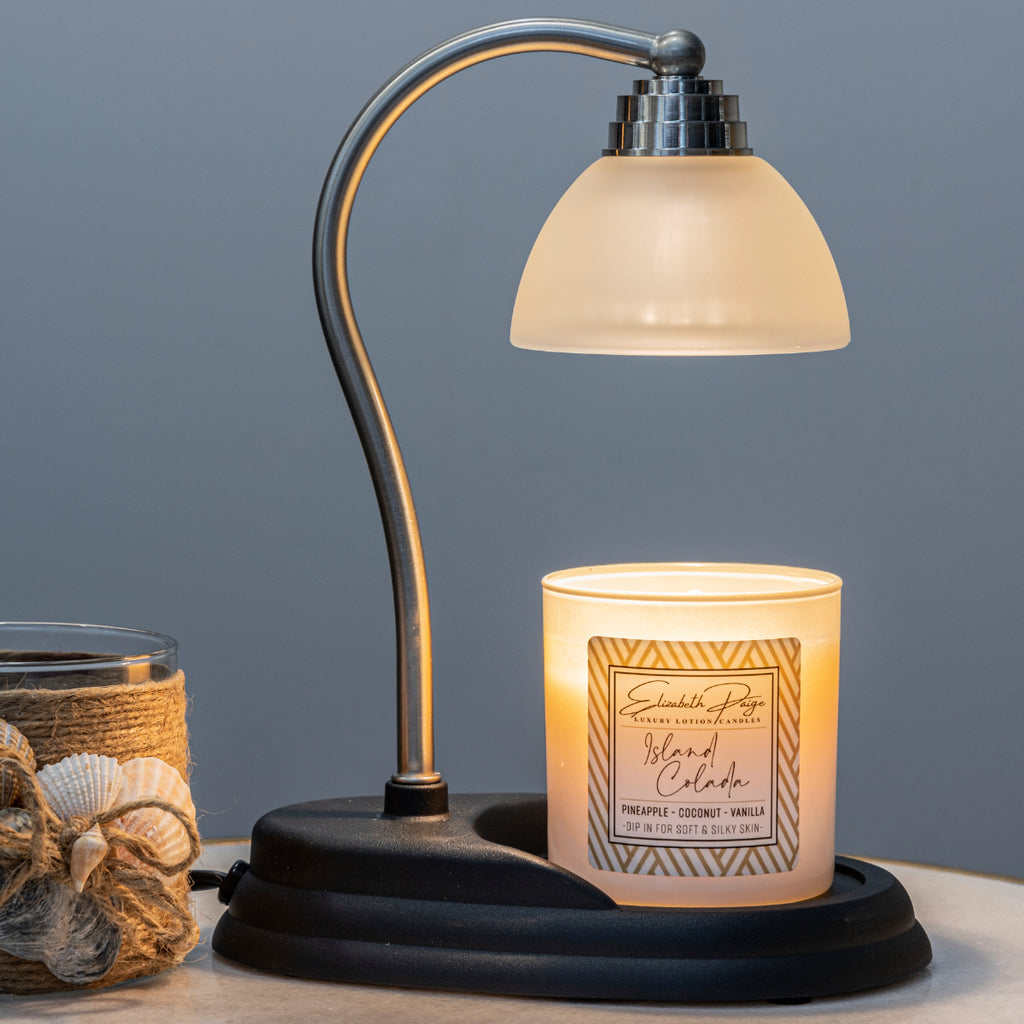
Are candle warmer lamps safer than burning candles?
Yes, candle warmer lamps usually remove the main danger linked to traditional candles: the open flame. A lamp uses a bulb or heating element to melt scented wax from above. Since there is no wick burning, the risk of a flame spreading to curtains, paper, furniture, or clothing is lower.
That does not make a candle warmer lamp completely safe. It still uses electricity and heat. The lamp shade, bulb, warming plate, candle jar, and melted wax may become hot enough to cause burns or damage nearby items.
The U.S. Consumer Product Safety Commission warns consumers to use electrical products according to their instructions and to stop using products with damaged cords, plugs, or other signs of damage. The National Fire Protection Association also advises people to keep heat sources away from anything that can burn.
Candle warmer lamps compared with traditional candles
| Risk | Traditional candle | Candle warmer lamp |
|---|---|---|
| Open flame | Yes | No |
| Hot wax | Yes | Yes |
| Hot container | Yes | Yes |
| Electrical shock risk | Usually no | Yes |
| Risk from a damaged cord | No | Yes |
| Risk if left unattended | High | Lower, but not zero |
| Smoke and soot from burning | Possible | Usually none from the wax |
| Fire risk | Higher | Lower, but still possible |
This comparison explains the main benefit: a candle warmer lamp removes the flame, but it does not remove heat. The safest choice depends on correct placement, sound electrical parts, and careful use.
Bottom line: A candle warmer lamp is often a lower-risk alternative to a lit candle, but it should still be unplugged when unattended.

How do candle warmer lamps work?
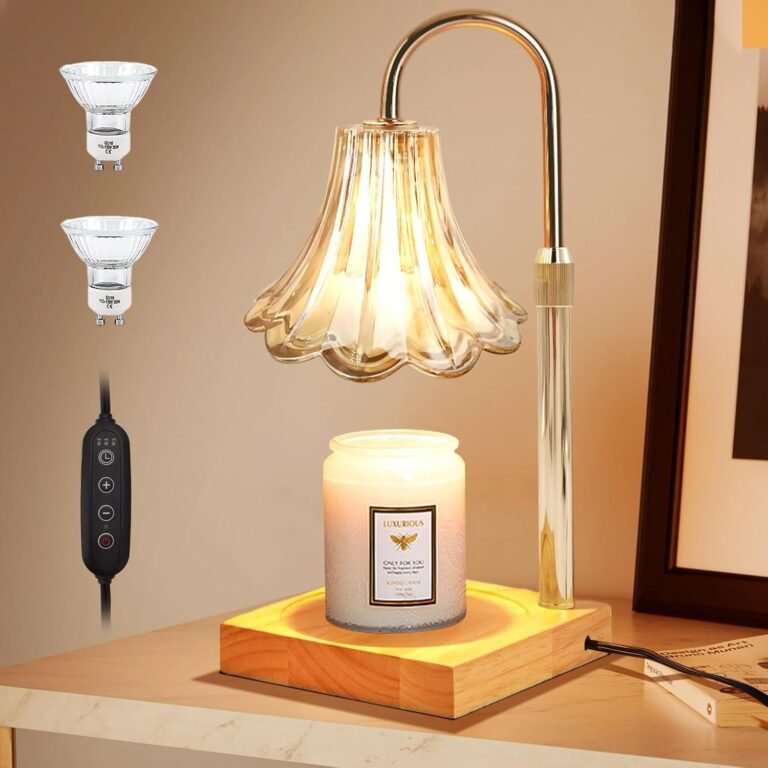
A candle warmer lamp melts wax by directing heat downward into the candle. Many models use a halogen or other high-heat bulb. Some use a warming plate beneath the candle instead. The goal is the same: warm the wax until it releases fragrance into the room.
A lamp does not burn the wax. This means it usually does not create the soot, smoke, or combustion byproducts associated with a burning wick. It also means the wick does not need to be lit.
The safety risk comes from the heat source and the electrical system. A candle warmer may have:
- A high-temperature bulb or heating element
- A glass or metal shade
- A power cord and plug
- An in-line switch or timer
- A candle jar that holds hot liquid wax
- A base that can become warm during use
the exact temperature varies by design, bulb type, candle size, room conditions, and use time. Do not assume that a lamp is safe to touch just because it looks like a table lamp.
Candle warmer lamp versus candle warmer plate
A candle warmer lamp heats the candle from above. A candle warmer plate heats it from below.
A lamp may reduce direct contact between the hot candle and the furniture because the candle often sits on a base beneath the shade. A plate, however, can spread heat through the bottom of the jar and directly into the surface below. Both types can become hot and both need clear space around them.
Check the product manual for:
- Approved candle sizes
- Maximum jar height
- Bulb type and wattage
- Timer limits
- Whether the unit is designed for continuous use
- Whether the candle must sit directly under the bulb
- Approved replacement parts
Using a higher-wattage bulb than the manual allows can create excess heat. Never replace a bulb with one that merely fits the socket.

What are the main safety risks?
The main risks are heat, fire, electrical faults, hot wax, and unstable placement. These risks are manageable, but only when the lamp is used as a heating appliance.
1. Fire and heat damage
A candle warmer lamp has no flame, but nearby objects can still be damaged by heat. Paper, fabric, cardboard, dried flowers, bedding, and some plastics should stay well away from the lamp.
Do not place the unit:
- Under curtains or shelves
- Beside bedding or upholstered furniture
- Near loose papers or books
- On a cloth that can touch the bulb or shade
- Near aerosol cans or other heat-sensitive items
- In a child’s play area
- Where pets can knock it over
The National Fire Protection Association recommends keeping candles at least 12 inches away from anything that can burn. That guidance applies directly to candle flames, not necessarily to every candle warmer model. Still, it is a useful conservative rule for keeping heat sources away from combustible materials.
2. Burns from hot parts and liquid wax
Melted wax can cause burns, especially when a jar is moved before it cools. The glass may also remain hot after the lamp is turned off.
Never:
- Touch melted wax with bare fingers
- Move the jar while the wax is liquid
- Let a child handle the candle
- Place the candle where a pet can reach it
- Pour hot wax into a sink or drain
- Add water to hot wax
Turn off and unplug the lamp. Allow the jar and wax to cool fully before moving or cleaning them.
3. Electrical shock or fire
A damaged cord, loose plug, cracked socket, or faulty switch can create an electrical hazard. Keep the cord away from hot surfaces and do not run it under rugs, bedding, or heavy furniture.
Stop using the lamp if you notice:
- A frayed, cracked, or crushed cord
- A plug that feels hot
- Sparks, smoke, or a burning smell
- Flickering that is not caused by the bulb
- A loose socket
- Buzzing or popping sounds
- Signs of melting near the plug or switch
Do not repair a damaged cord with tape. Replace the product or have the repair performed by a qualified professional.
4. Tipping and spills
A candle warmer lamp should sit on a level, solid, heat-resistant surface. A narrow shelf, soft mattress, unstable nightstand, or crowded desk is not a good location.
If the jar tips, hot wax can spread across the surface. The lamp may also fall, exposing the hot bulb or breaking the glass container.
5. Overheating
Some models have a timer or automatic shutoff. That feature can lower risk, but it is not a substitute for supervision. A timer may fail, be set incorrectly, or stop working after a fault.
Use the lamp only as directed. If the instructions do not clearly allow overnight or extended operation, do not use it that way.

How to use a candle warmer lamp safely
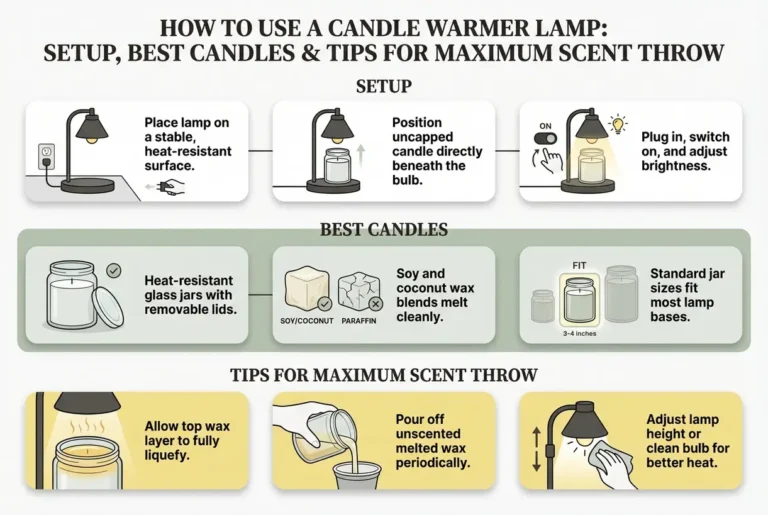
Use this checklist each time you set up the lamp.
1. Read the manual first
Find the instructions for your exact model. Check the approved bulb, wattage, candle size, timer, and placement rules.
If you bought the lamp used and cannot find reliable instructions, contact the manufacturer or choose a different unit. Guessing about bulb wattage or jar size is not worth the risk.
2. Inspect the lamp
Before plugging it in, check the cord, plug, socket, shade, base, and switch. Make sure the bulb is secure and is the correct type.
Do not use a lamp with cracks, exposed wires, scorch marks, or loose parts.
3. Choose a safe location
Place the lamp on a stable, level surface. Leave open space around the shade and bulb. Keep combustible materials away from the heated area.
Avoid bathrooms, damp areas, outdoor locations, and places where water may splash onto the appliance unless the manufacturer specifically rates the product for that environment.
4. Use a suitable candle jar
Use a candle that fits the lamp’s height and diameter limits. The jar should be stable and in good condition.
Do not use a candle jar that is:
- Cracked or chipped
- Leaking
- Made from an unsuitable material
- Too tall for the shade
- Too wide for the base
- Unstable under the lamp
- Already damaged by repeated heating
Do not place loose wax, wax melts, or an uncovered pool of wax directly under a bulb unless the product instructions specifically allow it.
5. Plug it into a suitable outlet
Plug the lamp directly into a properly installed wall outlet when possible. Avoid overloading an extension cord or power strip.
A power strip with a built-in switch does not make an unsafe product safe. Do not connect several high-heat appliances to the same overloaded outlet.
6. Stay nearby during use
Check the lamp after it has warmed up. Look for unusual smells, flickering, smoke, excessive heat, or movement.
Even if the lamp has a timer, turn it off and unplug it before leaving the room for a long period, leaving home, or going to sleep.
7. Let everything cool before handling it
Turn the lamp off and unplug it. Wait until the jar, wax, shade, and base are cool. Then move or clean the unit.

Does a candle warmer lamp need ventilation?
A candle warmer lamp usually does not need special ventilation for combustion because it does not burn a wick. However, normal room airflow is still sensible.
Fragrance oils can bother people with asthma, allergies, migraines, or scent sensitivity. Pets may also react to strong fragrances. If anyone develops coughing, wheezing, headache, nausea, eye irritation, or other symptoms, turn off the lamp and increase fresh air.
Keep the unit away from air vents, fans, and open windows if moving air could knock it over or spread hot wax. Also avoid placing it in a small enclosed cabinet or cramped space where heat cannot escape.
“Flame-free” does not mean “chemical-free.” The lamp stops combustion, but the fragrance still enters the room as the wax warms. Use a lower fragrance level or discontinue use if the scent causes discomfort.
Are candle warmer lamps safe around children and pets?
They are safer than open-flame candles around children and pets, but they are not childproof or pet-proof.
Children may touch the hot shade, pull the cord, or spill the jar. Cats and dogs may knock the lamp over, chew the cord, or become irritated by fragrance. Keep the unit on a surface they cannot reach, and secure cords so they cannot be pulled.
Do not rely only on a timer. A child or pet can be hurt before the timer shuts the lamp off.
If you use a warmer in a home with young children, consider whether the location prevents access to both the lamp and the hot candle. If it does not, use the product only when an adult is present.

What safety marks should you look for?
A recognized electrical safety certification can provide useful information about evaluation of the product’s electrical design. In the United States, common marks include UL, ETL, and CSA marks from recognized testing organizations.
However, a mark is not proof that a product can never fail. It also does not mean every use is safe. Check that:
- The mark appears on the product or its packaging
- The certification applies to the actual model
- The product has a clear manufacturer name and contact information
- The instructions identify the correct bulb or heating element
- The plug and voltage match U.S. household power
- The product has not been modified
Be cautious with listings that claim “UL-style,” “UL compatible,” or similar wording without showing a recognized certification for the actual product. If the electrical information is unclear, choose another model.
For recalled products, search the official U.S. Consumer Product Safety Commission recall database. A product may have been safe when sold but later recalled because of a defect.
What should you do if something goes wrong?
Use the safest response for the symptom.
| Symptom | Safe action |
|---|---|
| Burning smell or smoke | Turn it off and unplug it if you can do so safely. Leave it unplugged. |
| Sparks or a hot plug | Stop using it. Do not touch exposed wires. Contact the manufacturer or a qualified electrician. |
| Cracked candle jar | Turn off the lamp and let it cool. Do not move the hot jar unless necessary for immediate safety. |
| Wax spill | Keep people and pets away. Let the wax cool before removal. |
| Bulb keeps failing | Use only the specified bulb. If failures continue, stop using the lamp. |
| Lamp tips over | Unplug it, keep away from hot wax and broken glass, and inspect it before reuse. |
| Cord damage | Replace the product or have it professionally repaired. Do not tape the cord. |
If there is an active fire, leave the area and call 911. Do not risk a burn by trying to save the lamp. Never throw water onto an electrical fire.

Common mistakes to avoid
The most common mistakes involve treating the lamp as harmless because it has no flame.
Avoid these errors:
- Leaving the warmer on overnight
- Using the wrong bulb or a higher wattage
- Placing it under a shelf or near curtains
- Using a cracked candle jar
- Moving the jar while the wax is hot
- Covering the lamp or blocking heat
- Using it near water
- Running the cord under a rug
- Using a damaged power strip
- Letting children or pets reach the unit
- Assuming a timer eliminates every safety risk
- Mixing candle jars and lamps without checking size limits
The key distinction is simple: no flame lowers one major risk, but heat and electricity still require care.
Key takeaways
- Candle warmer lamps are generally safer than burning candles because they do not use an open flame.
- They can still cause burns, electrical faults, wax spills, and heat-related fires.
- Use the correct bulb, candle size, and wattage listed by the manufacturer.
- Keep the lamp on a stable, heat-resistant surface away from curtains, paper, bedding, children, and pets.
- Do not leave it running while asleep or away from home.
- Stop using the lamp if the cord, plug, socket, or switch shows damage.
- A recognized safety mark is useful, but it does not replace safe use.
Frequently asked questions
Can I leave a candle warmer lamp on all day?
It is safer not to leave it on all day unless the manufacturer clearly permits extended operation and the lamp has suitable controls. Even then, inspect it during use and turn it off before leaving home or going to sleep.
Can a candle warmer lamp start a fire?
Yes, although the risk is generally lower than with a lit candle. A fire could result from a damaged electrical part, excessive heat, an unstable lamp, or nearby combustible materials.
Do candle warmer lamps create toxic smoke?
They usually do not create smoke or soot from a burning wick because they warm rather than burn the wax. Fragrance ingredients may still bother sensitive people, so stop using the lamp if it causes breathing problems, headaches, or irritation.
Can I use any candle with a candle warmer lamp?
No. The candle must fit the lamp’s size and design limits. Check the manual for jar height, width, material, and placement requirements. Do not use cracked or damaged containers.
Are candle warmer lamps safe in bedrooms?
They can be used in a bedroom only with careful placement and supervision. Keep them away from bedding, curtains, clothing, and other fabrics. Turn the lamp off and unplug it before sleeping.
Is a candle warmer plate safer than a candle warmer lamp?
Neither type is automatically safest. A lamp heats from above, while a plate heats from below. Compare the design, electrical quality, stability, automatic shutoff, and manufacturer instructions before choosing one.
Conclusion
Candle warmer lamps are a reasonable lower-risk alternative to burning candles in many U.S. homes. Their greatest advantage is the absence of an open flame. Their remaining risks come from hot surfaces, melted wax, electrical parts, unstable placement, and poor supervision.
Use the lamp only as directed, keep flammable items away, inspect it before use, and unplug it when unattended. If the product has unclear electrical information or shows any sign of damage, replacing it is safer than trying to repair or modify it.
One Comment