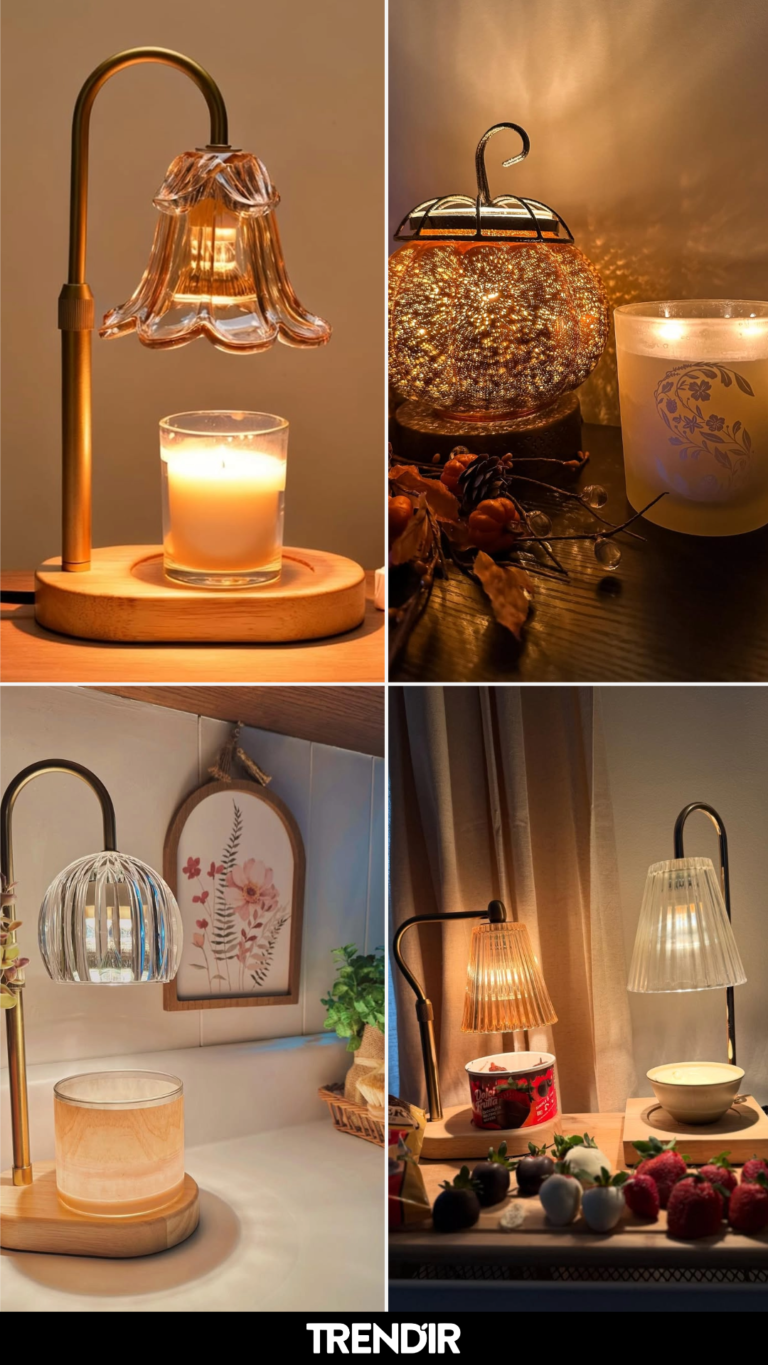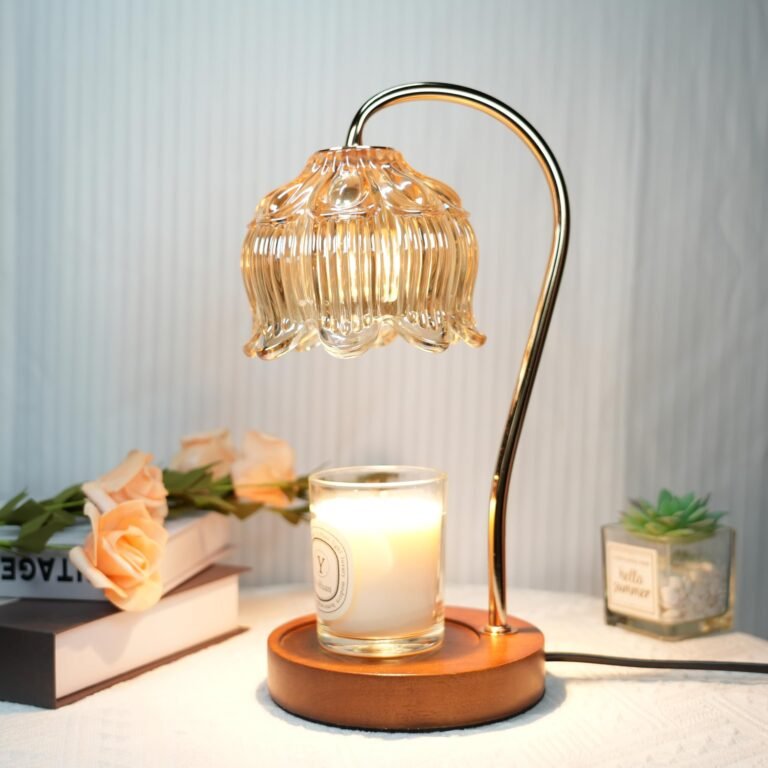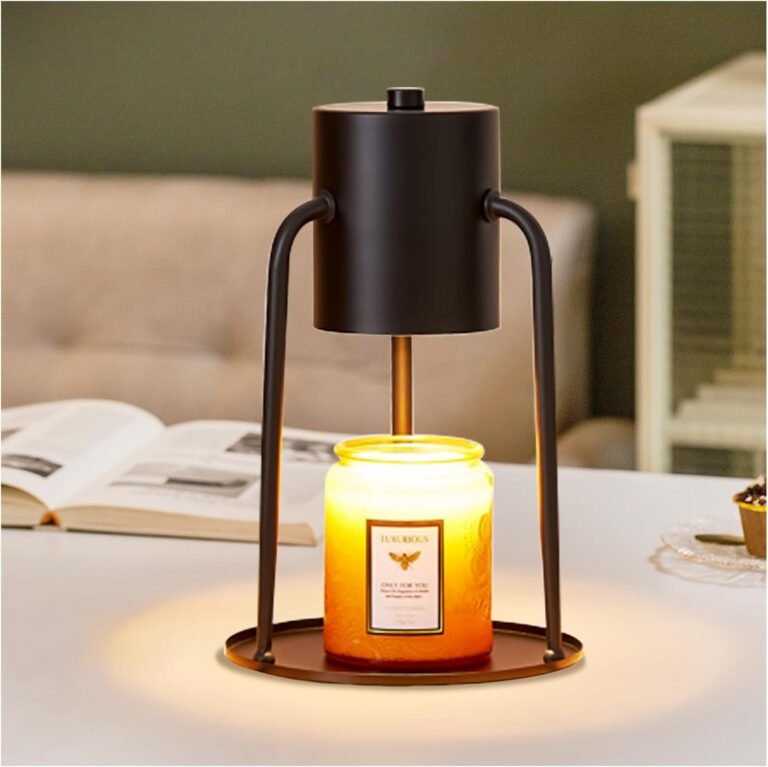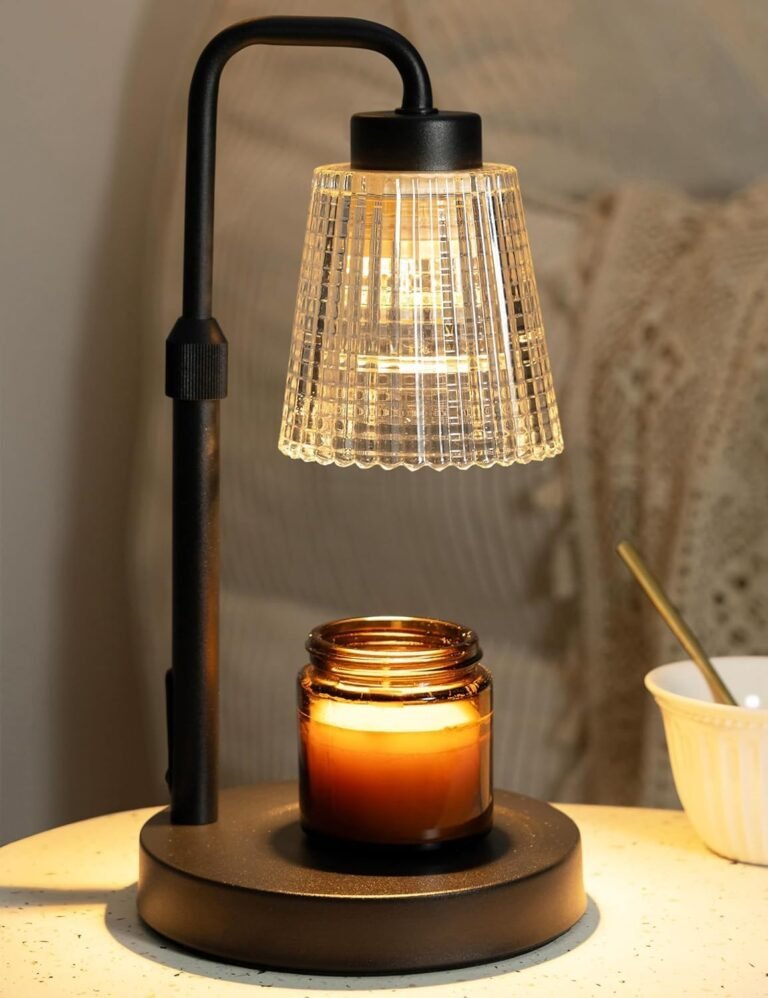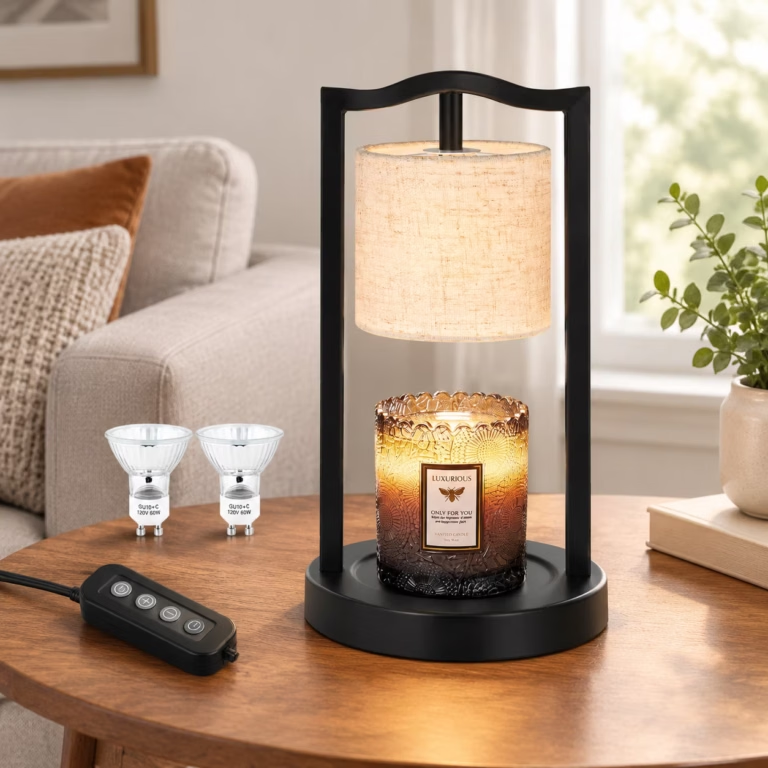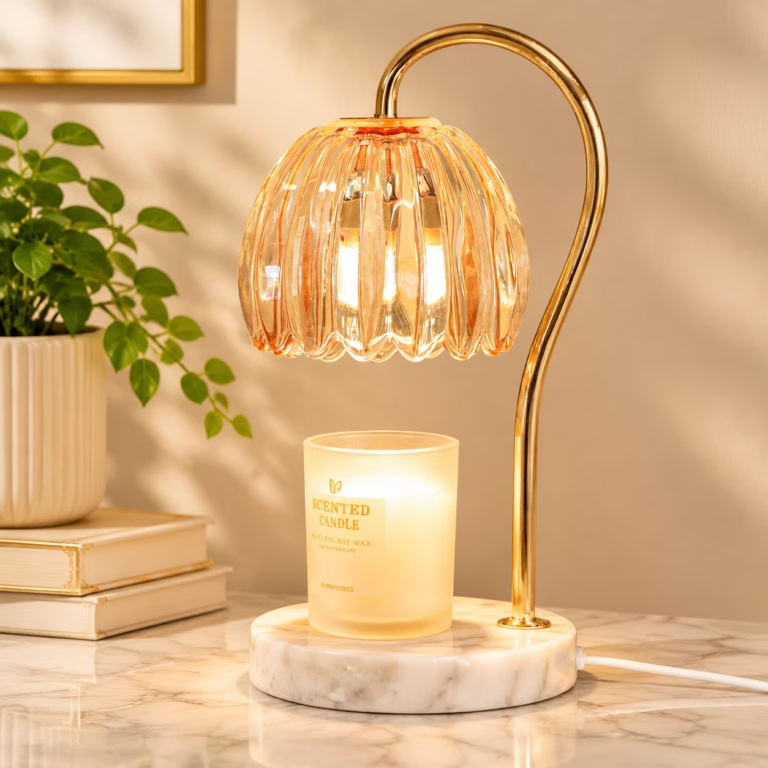
In a typical U.S. home, a candle warmer lamp can make the wax hot enough to melt, but its exact temperature depends on the bulb, candle, lamp height, room temperature, and jar design. Most candle wax melts at roughly 110°F to 180°F, while the bulb, metal shade, and parts of the jar may become much hotter. A warmer lamp may feel safer than an open flame, but it is still a heat-producing appliance that needs space and supervision.

Quick answer: How hot does a candle warmer lamp get?
A candle warmer lamp usually heats the top of a candle to about 120°F to 180°F during normal use. This is a practical estimate, not a universal rating. Some lamps may produce lower or higher temperatures based on their bulb wattage and distance from the candle.
The wax must reach its melting point before the candle releases fragrance. Common wax types melt within these approximate ranges:
| Wax type | Approximate melting range |
|---|---|
| Soy wax | 113°F–125°F |
| Coconut wax blends | 100°F–120°F |
| Beeswax | с145°F–147°F |
| Paraffin wax | 120°F–160°F |
| Soy-paraffin blends | 120°F–150°F |
The wax is not the only hot part. A halogen or incandescent bulb can become very hot, and the metal shade may also burn skin. Some lamp surfaces can become hot enough to damage nearby plastic, paper, fabric, or finished wood.
The safest answer is this: a candle warmer lamp is hot enough to melt wax and cause burns, even though it does not use an open flame.

What makes a candle warmer lamp hot?
A candle warmer lamp uses radiant heat from a bulb. The bulb shines down onto the candle and warms the wax from above. As the wax melts, fragrance spreads through the room without burning the wick.
The heat level depends on several parts:
- Bulb type: Halogen and incandescent bulbs create more heat than many LED bulbs.
- Bulb wattage: A higher-wattage bulb usually produces more heat.
- Lamp height: A bulb closer to the candle transfers more heat.
- Shade design: A narrow shade can focus heat on a smaller area.
- Jar material: Thick glass heats more slowly than thin glass.
- Candle size: A large candle needs more time and energy to melt.
- Room conditions: A cold room can slow melting.
- Timer setting: Longer use allows the jar and wax to keep heating.
A warmer lamp does not heat every candle at the same speed. Two lamps with the same stated wattage may perform differently because their shades, sockets, and bulb positions are not the same.
Bulb heat matters more than lamp appearance
Many candle warmer lamps look like small table lamps, but their bulbs may act much like small heaters. A 35-watt, 50-watt, or 55-watt halogen bulb can produce strong radiant heat. An LED bulb may use less electricity and stay cooler, but it may not melt candle wax unless the lamp was designed for that purpose.
Do not replace a lamp’s bulb with a different type or wattage unless the manufacturer allows it. The wrong bulb can create excess heat, damage the socket, or raise the risk of fire.
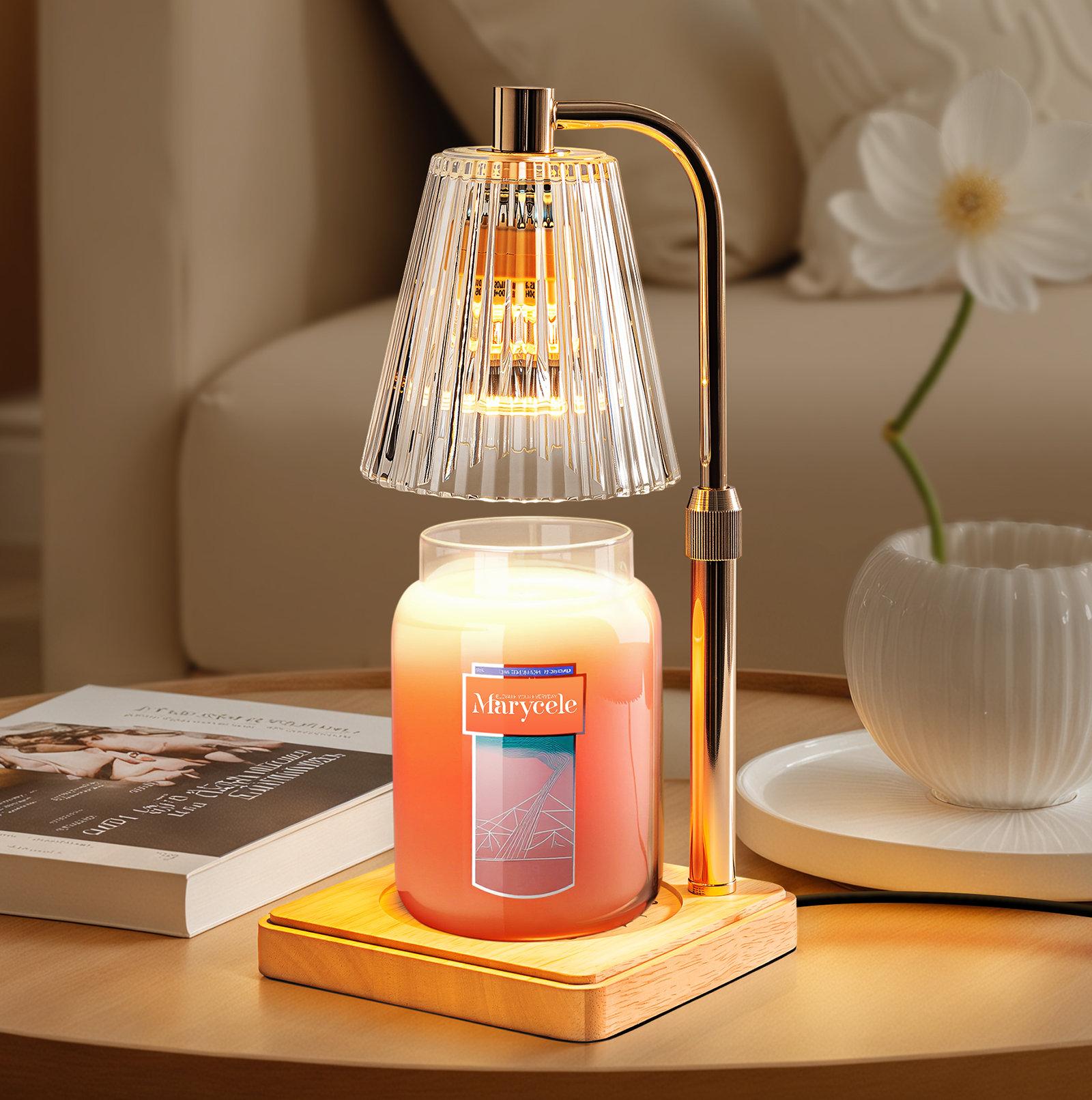
How hot does the candle jar get?
The candle jar may become hot enough to burn skin. Its temperature depends on how long the lamp runs, how much wax remains, and how much heat the bulb directs toward the glass.
A candle jar usually does not heat evenly. The area closest to the bulb may be warmer than the lower sides or the back of the container. A thick glass jar may stay cooler on the outside while the wax near the top becomes hot.
Use these practical signs:
- Warm glass: The lamp is heating the candle, but the jar may not yet be fully hot.
- Hot glass: Use care when touching or moving the candle.
- Very hot glass: Turn off the lamp and let the jar cool before handling it.
- Cracks, clouding, or unusual marks: Stop using the candle and inspect the lamp.
Never pour cold water onto a hot candle jar. Sudden temperature changes can crack or shatter glass.
Why the candle can keep heating after the lamp is turned off
The bulb and metal shade remain hot for a short time after the switch is turned off. The wax and glass also hold heat. This means the candle may continue to soften after the lamp stops.
Allow the whole setup to cool before:
- Moving the candle
- Changing the bulb
- Cleaning the lamp
- Adjusting the lamp height
- Removing melted wax
- Touching the metal shade

Can a candle warmer lamp cause burns?
Yes. A candle warmer lamp can cause burns from the bulb, shade, melted wax, or hot glass.
Melted wax may look harmless, but it can stick to skin and hold heat against the body. The bulb and shade can be even hotter than the wax. Children and pets may also knock over the lamp or touch hot parts.
The U.S. Consumer Product Safety Commission advises keeping candles and heat sources away from children, pets, and anything that can burn. A candle warmer lamp should receive the same care because it still creates a hot surface.
Treat the lamp as a hot appliance:
- Place it on a stable, heat-resistant surface.
- Keep it away from curtains, paper, bedding, and loose fabric.
- Keep cords away from walkways and hot surfaces.
- Do not touch the shade or bulb while the lamp is on.
- Let the lamp cool before moving it.
- Keep children and pets away from the setup.
- Stop using the lamp if the cord, plug, or socket becomes damaged.
A lamp without a flame may lower the chance of an open-flame accident, but it does not remove the risk of burns or heat-related fires.

Does a candle warmer lamp get hotter than a burning candle?
The answer depends on which part you compare. The flame of a burning candle is far hotter than the wax or jar. However, the bulb and shade of a warmer lamp can still become dangerously hot during use.
A candle flame can reach well above 1,000°F in its hottest region. The wax pool around the wick is much cooler than the flame. A warmer lamp produces no flame, soot, or combustion, but its bulb can concentrate heat directly onto the candle for a long period.
This creates different risks:
| Feature | Candle warmer lamp | Burning candle |
|---|---|---|
| Open flame | No | Yes |
| Melts wax | Yes | Yes |
| Hot bulb or shade | Yes | No bulb |
| Hot melted wax | Yes | Yes |
| Soot from combustion | Usually no | Possible |
| Flame-related fire risk | Lower | Higher |
| Heat-related burn risk | Still present | Present |
A warmer lamp is not automatically safe for unattended use. Follow the product manual, use its timer if included, and avoid running it near materials that can burn.

How long does a candle warmer lamp take to melt wax?
Most candle warmer lamps take about 30 minutes to several hours to create a full melted wax pool. The time is not fixed because candle size, bulb strength, lamp height, and wax type all change the result.
A small candle under a strong lamp may melt quickly. A large three-wick candle under a lamp set high above the jar may need much longer.
Use the top of the wax as your guide:
- A small melted area means the lamp may need more time or a shorter distance.
- A broad, even melted pool means the heat is reaching the wax well.
- A deep pool that stays very hot may indicate excessive heating.
- Wax that never softens may indicate a weak bulb, excessive lamp height, or an incompatible LED bulb.
Do not keep lowering the lamp to speed up melting unless the instructions allow it. The bulb must have proper clearance and ventilation.
A simple heat estimate
You can estimate why large candles take longer. A warmer lamp may deliver only part of its electrical power to the wax. The rest becomes heat in the bulb, shade, air, and lamp body.
For example, a 50-watt bulb uses 50 joules per second of electrical power. It does not send all 50 joules into the candle. The actual heating rate depends on the lamp design and distance.
This is why wattage alone cannot tell you the final wax temperature. It helps compare lamps, but it is not a complete temperature rating.
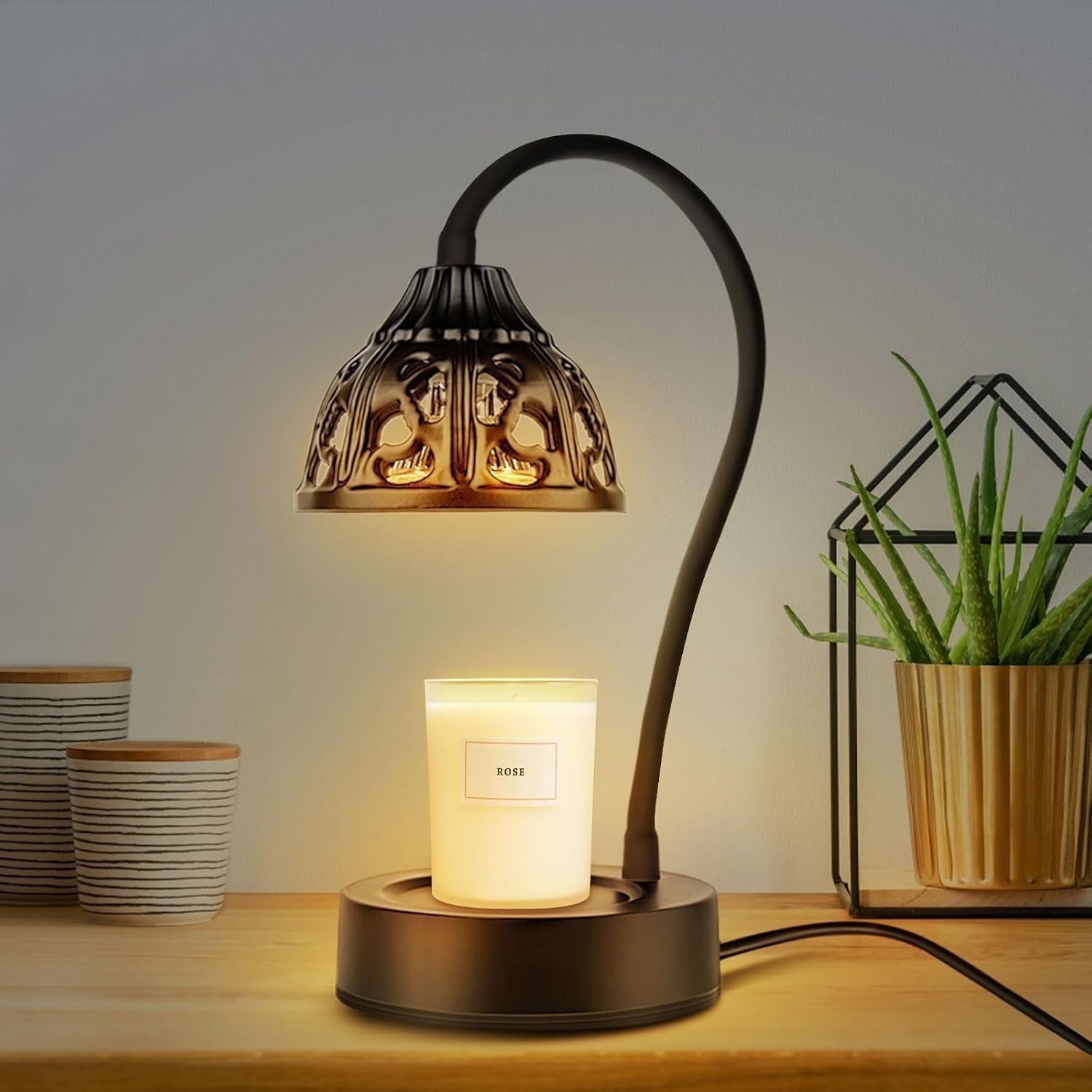
What temperature should a candle warmer lamp reach?
A candle warmer lamp should become hot enough to melt the wax but should not produce smoke, scorch marks, damaged glass, or signs of electrical stress.
For many candles, a wax temperature near 120°F to 180°F is enough to create a liquid wax pool. The exact target varies by wax blend and fragrance formula. Candle makers often use specific temperature ranges when pouring wax, but a warmer lamp is not the same as a controlled wax melter.
Watch for these warning signs:
- The wax becomes unusually dark.
- The fragrance smells burnt or sharp.
- The jar develops cracks.
- The label curls or discolors.
- The wood or surface beneath the lamp becomes hot.
- The bulb flickers.
- The plug or cord feels hot.
- The lamp makes a burning-plastic smell.
- The shade touches or nearly touches the candle.
Turn off the lamp if any of these signs appear. Unplug it after the lamp has cooled enough to handle safely.
A surface thermometer can help you understand temperature, but do not press a thermometer against a hot bulb. An infrared thermometer can provide a rough surface reading, yet readings vary with glass, metal, distance, and surface reflectivity. Use the lamp manual as the main safety guide.
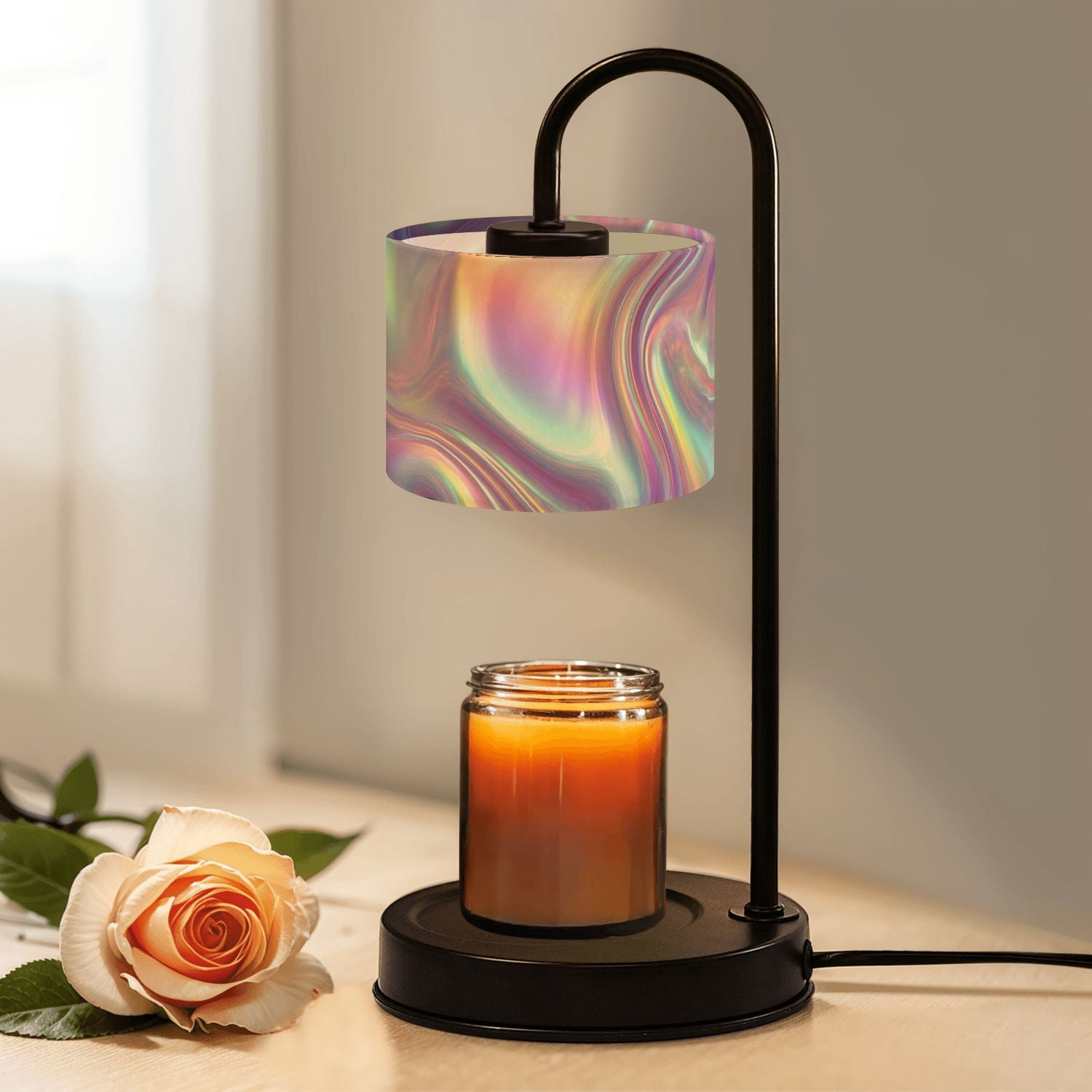
Is a candle warmer lamp safe to leave on?
Leaving a candle warmer lamp on while you are away is not recommended unless the product instructions clearly allow that use and the lamp has reliable automatic shutoff. Even then, unattended operation adds risk.
A timer lowers the chance of forgetting the lamp, but it does not replace safe placement. Check that the lamp has:
- A stable base
- A properly rated cord and plug
- Adequate ventilation
- A working timer, if included
- The correct bulb
- A safe distance between the bulb and candle
- A surface that tolerates heat
Before turning it on, inspect the candle jar. Do not use a cracked, chipped, or damaged container. Also remove decorative materials that may soften or burn, such as ribbons, paper wraps, dried flowers, or loose twine.
For a U.S. household, plug the lamp into the correct outlet shown in the manual. Do not use a damaged extension cord, overloaded power strip, or adapter that does not match the lamp’s electrical rating.

How to use a candle warmer lamp safely
Follow the manufacturer’s instructions first. If the instructions are missing or unclear, use a cautious setup rather than trying to maximize heat.
- Inspect the lamp. Check the cord, plug, socket, shade, and base for damage.
- Use the approved bulb. Match the bulb type, wattage, and voltage listed by the manufacturer.
- Choose a stable surface. Use a level, heat-resistant table away from clutter.
- Center the candle. Keep the candle directly under the warmer area.
- Remove loose decorations. Take off paper, ribbon, flowers, and plastic packaging.
- Set the timer. Start with the shortest useful setting.
- Watch the first cycle. Check whether the jar, wax, and surrounding surface become unusually hot.
- Turn it off if anything seems wrong. Burning odors, flickering, smoke, or damaged parts require immediate attention.
- Let it cool fully. Do not move or clean the lamp while it is hot.
The setup is working as intended when the wax melts gradually, the lamp stays stable, and no part shows smoke, scorching, cracking, or electrical damage.
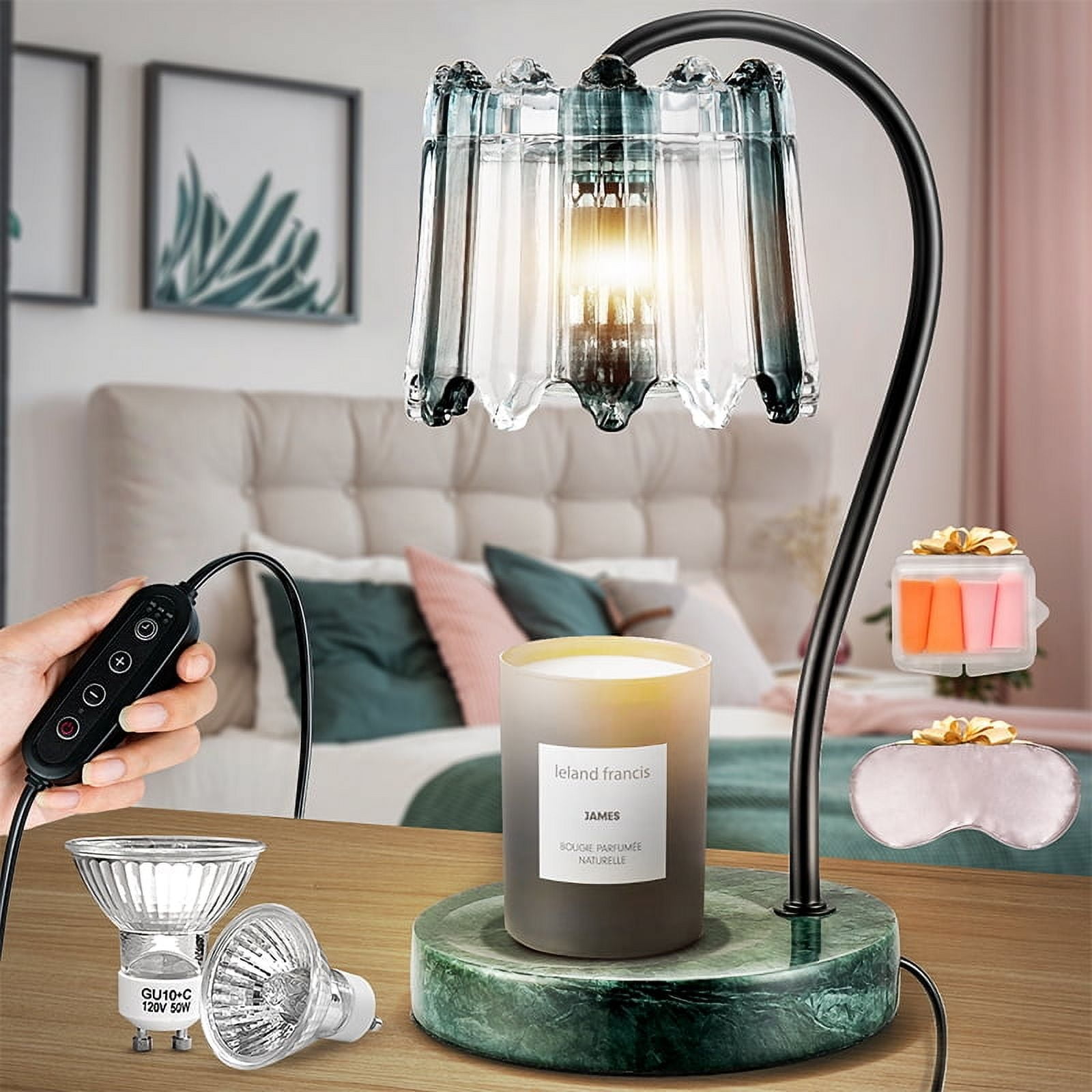
Candle warmer lamp temperature by bulb type
Bulb type gives a useful starting point, but it cannot predict the exact temperature at the candle.
| Bulb type | Typical heating behavior | Practical concern |
|---|---|---|
| Halogen | Strong heat and focused radiant energy | Bulb and shade can become very hot |
| Incandescent | Produces substantial heat | May warm the jar quickly |
| LED | Usually produces less heat | May not melt wax unless designed for warming |
| Specialty warming bulb | Designed for heat output | Must match the lamp’s approved rating |
A lower-wattage bulb is not always safer if it is not compatible with the lamp. The socket, shade, and wiring may depend on the approved bulb type.
Do not assume that an LED replacement is a safe substitute. Some lamps need the heat from a halogen or incandescent bulb to work. Others are designed only for a particular warming bulb.

Common mistakes that make a candle warmer too hot
The most common mistake is using a stronger or different bulb than the lamp permits. This can raise the temperature beyond what the socket, shade, cord, or candle jar can safely handle.
Other mistakes include:
- Placing the lamp too close to the candle
- Covering the lamp’s ventilation openings
- Using the lamp on a soft or unstable surface
- Leaving paper labels or decorations near the bulb
- Moving the hot candle
- Using a cracked glass jar
- Running the lamp for many hours without checking it
- Assuming no flame means no fire risk
- Using an unapproved dimmer or smart plug
- Ignoring a hot plug, flicker, or burning smell
If the lamp becomes excessively hot, turn it off and let it cool. Then check the manual, bulb rating, placement, and electrical parts. Do not keep testing a lamp that shows signs of electrical failure.

Candle warmer lamp vs. wax warmer
A candle warmer lamp heats a candle inside its original jar. A wax warmer usually heats wax in a removable dish or tray.
A candle warmer lamp may be useful when you want to reuse a jar candle and avoid a wick flame. A wax warmer may offer more control over the wax dish and may be easier to clean. Neither device should be treated as risk-free.
The main differences are:
| Factor | Candle warmer lamp | Wax warmer |
|---|---|---|
| Holds original candle | Usually yes | Usually no |
| Heat source | Lamp above the wax | Heated plate or dish |
| Open flame | No | No |
| Container temperature | Can become hot | Dish and base become hot |
| Wax replacement | Less convenient | Usually easier |
| Bulb replacement | May be needed | Heating element may last longer |
Choose the device based on the container, heat control, cleaning needs, and safety features. Do not use a candle warmer lamp to heat containers that the manufacturer does not approve.
What to do if the candle will not melt
If the wax remains solid, check the simple causes first:
- Confirm that the bulb is on and producing heat.
- Check that the bulb matches the lamp’s required type and wattage.
- Make sure the candle sits directly below the bulb.
- Check whether the lamp is too high above the candle.
- Remove packaging or a lid that blocks heat.
- Give the candle more time if it is large or cold.
- Confirm that the lamp is designed to warm candles.
Do not use a higher-wattage bulb just to force the wax to melt. If the lamp is too weak, use a compatible warmer or replace the unit with one designed for the candle size.
If the bulb works but the wax remains hard after a reasonable warming period, the lamp may be too far away or may not generate enough radiant heat. The manual should determine whether the lamp height can be adjusted.
Frequently asked questions
Can a candle warmer lamp melt the entire candle?
It can melt much of the wax, but performance varies. A lamp that heats only the center may leave wax around the edges. The jar shape, bulb position, and wax formula affect how evenly the candle melts.
Can melted candle wax catch fire under a warmer lamp?
Wax can burn if it reaches a sufficiently high temperature and meets an ignition source. A properly used warmer lamp should not create a flame, but a damaged lamp, wrong bulb, or overheated setup can create a hazard. Turn off the lamp if the wax smokes or smells burnt.
Can I touch the wax after using a candle warmer lamp?
Treat melted wax as hot. Let it cool until it is solid or only mildly warm before touching it. Do not test it with a finger while the lamp is running.
Does a candle warmer lamp use a lot of electricity?
A lamp’s electricity use depends on its wattage and operating time. A 50-watt lamp running for two hours uses 0.1 kilowatt-hours. Your actual cost depends on your local U.S. electricity rate.
Can I use a candle warmer lamp with a candle in a metal tin?
Only if the lamp manufacturer allows it. Metal can transfer heat quickly and may become very hot. The tin must sit securely and must not block ventilation or touch the bulb.
Final answer
A candle warmer lamp commonly heats candle wax to around 120°F to 180°F, but the bulb, shade, and jar may become hotter. The exact temperature depends on the bulb, wattage, lamp height, candle size, wax type, and operating time.
Use the approved bulb, keep the lamp on a heat-resistant surface, use a timer when available, and never handle the jar or shade while hot. For the most accurate limit, check the lamp’s manual or contact the manufacturer because there is no single temperature for every candle warmer lamp.
The best next step is to identify your lamp’s bulb type and wattage, then compare them with the manufacturer’s instructions before using the lamp for a long cycle.