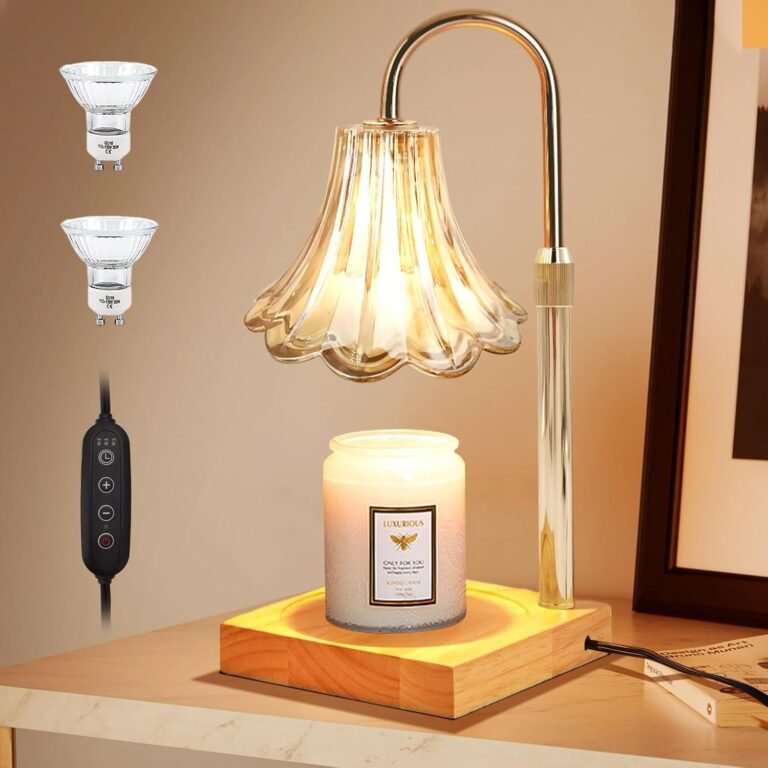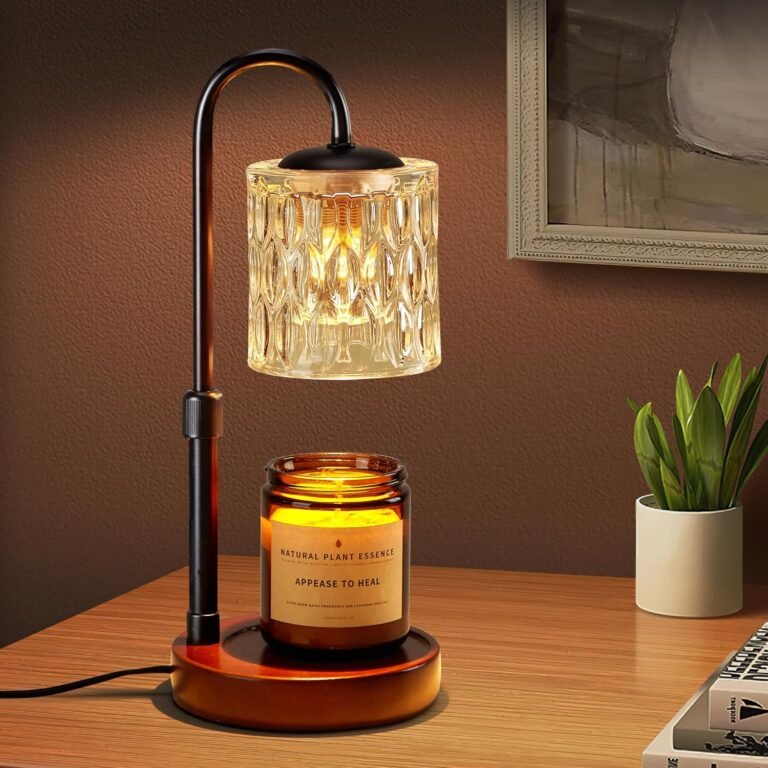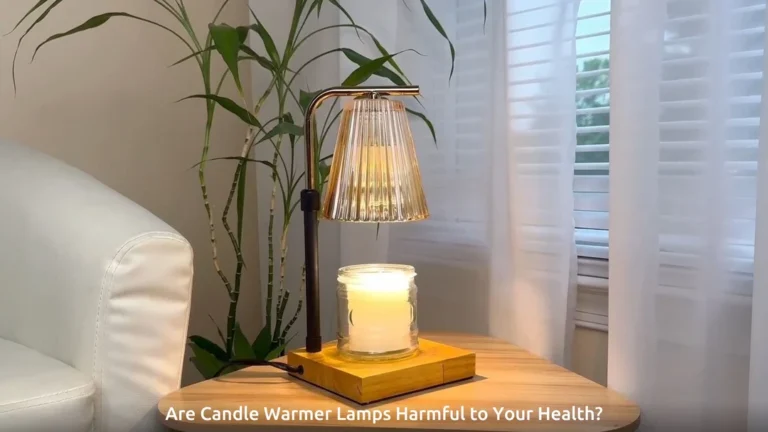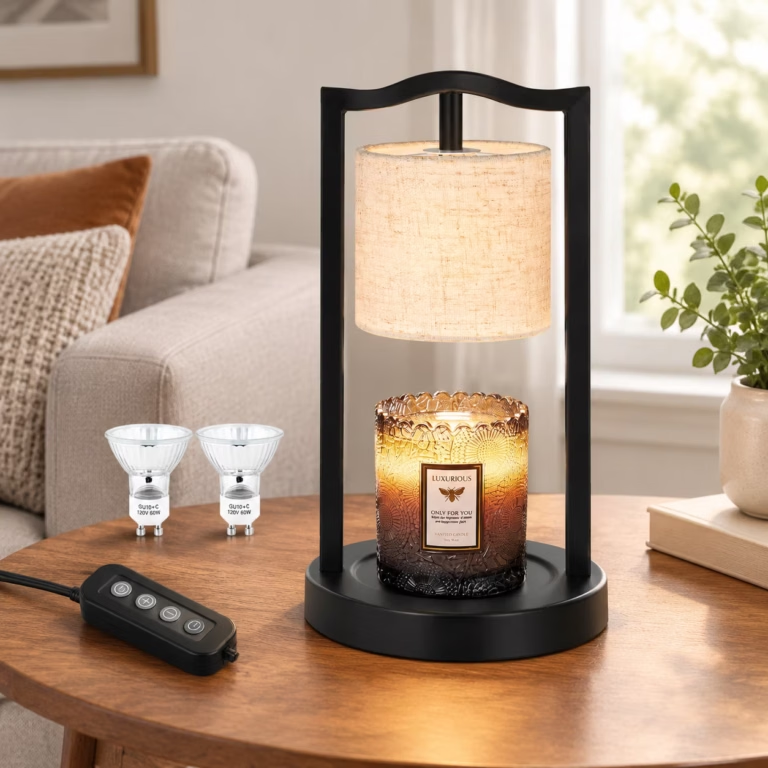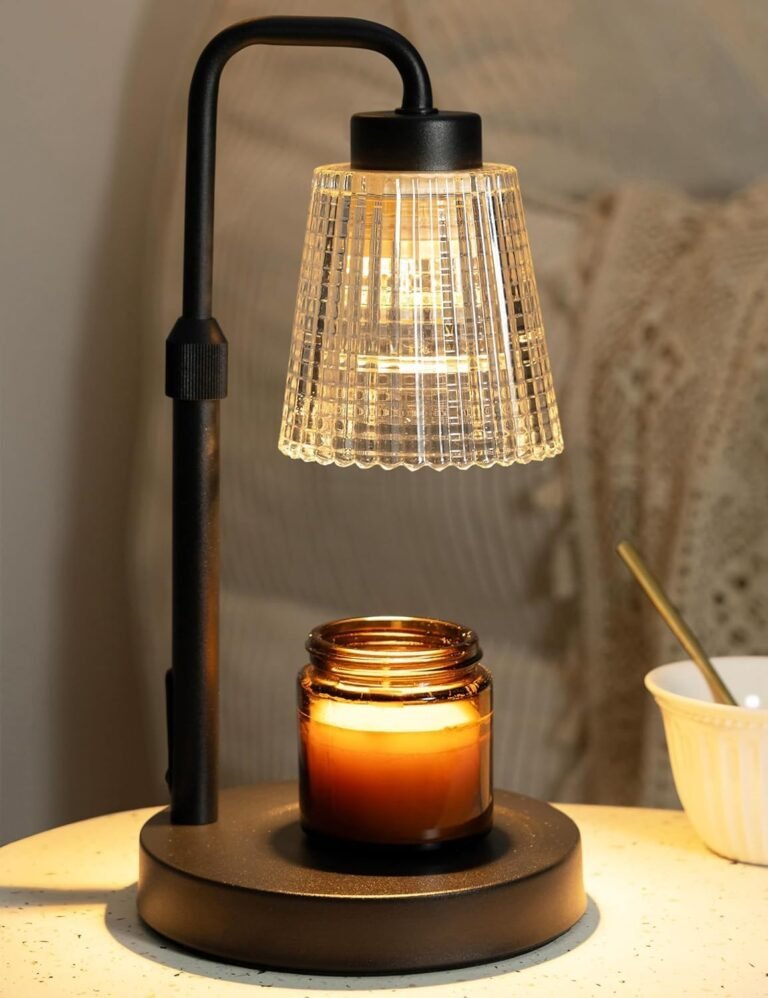
Use a candle warmer lamp by placing the candle or wax melt on the warmer, turning the lamp on, and letting the heat melt the wax to release fragrance without an open flame. In the U.S., choose a 120 V, UL- or ETL-listed lamp, follow the maker’s bulb and jar rules, and never leave it running unattended.
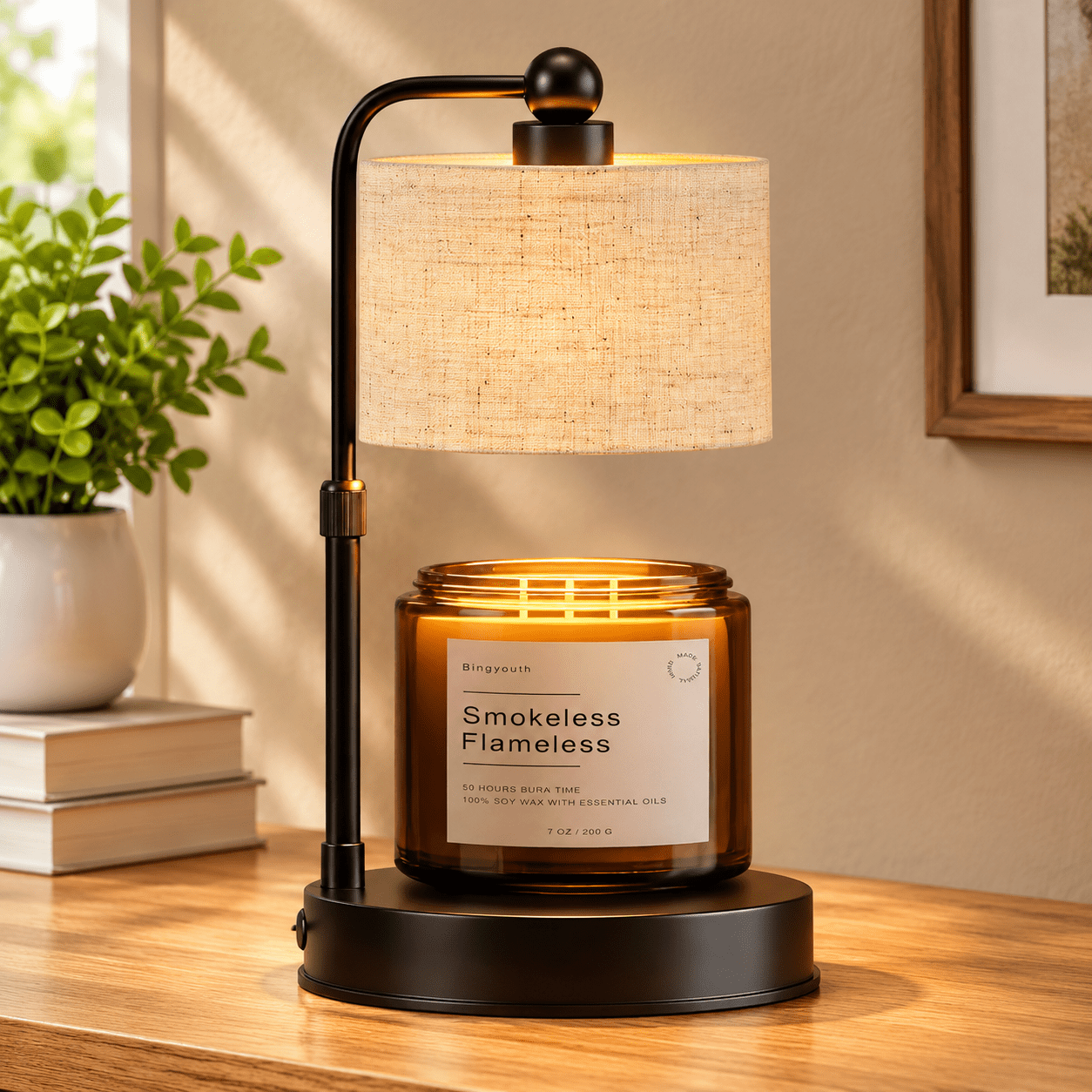
What is a candle warmer lamp?
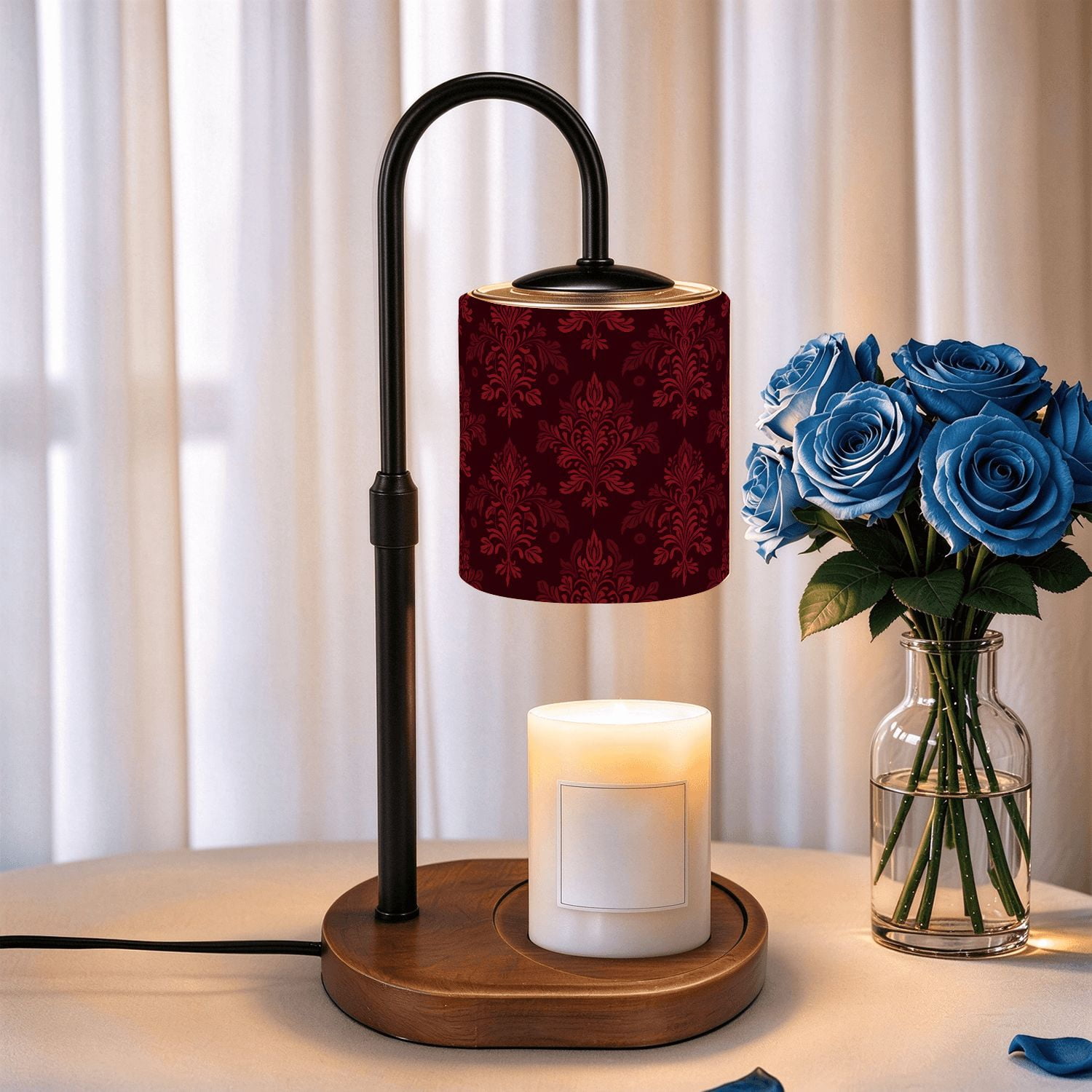
A candle warmer lamp melts wax with heat rather than fire. It usually has a lamp head or a flat electric plate. The heat softens or liquefies the wax so scent carries into the room. In the U.S., these devices are common in homes, shops, and offices as a safer scent option than lit candles.

Why use a candle warmer lamp and when to pick one
Use a warmer when you want candle scent without an open flame. It reduces soot and fire risk compared with a burning wick. Choose one if you have pets, children, or smoke alarms near candles. Use a warmer for jar candles, wax melts, and fragrance cups that the manufacturer approves.
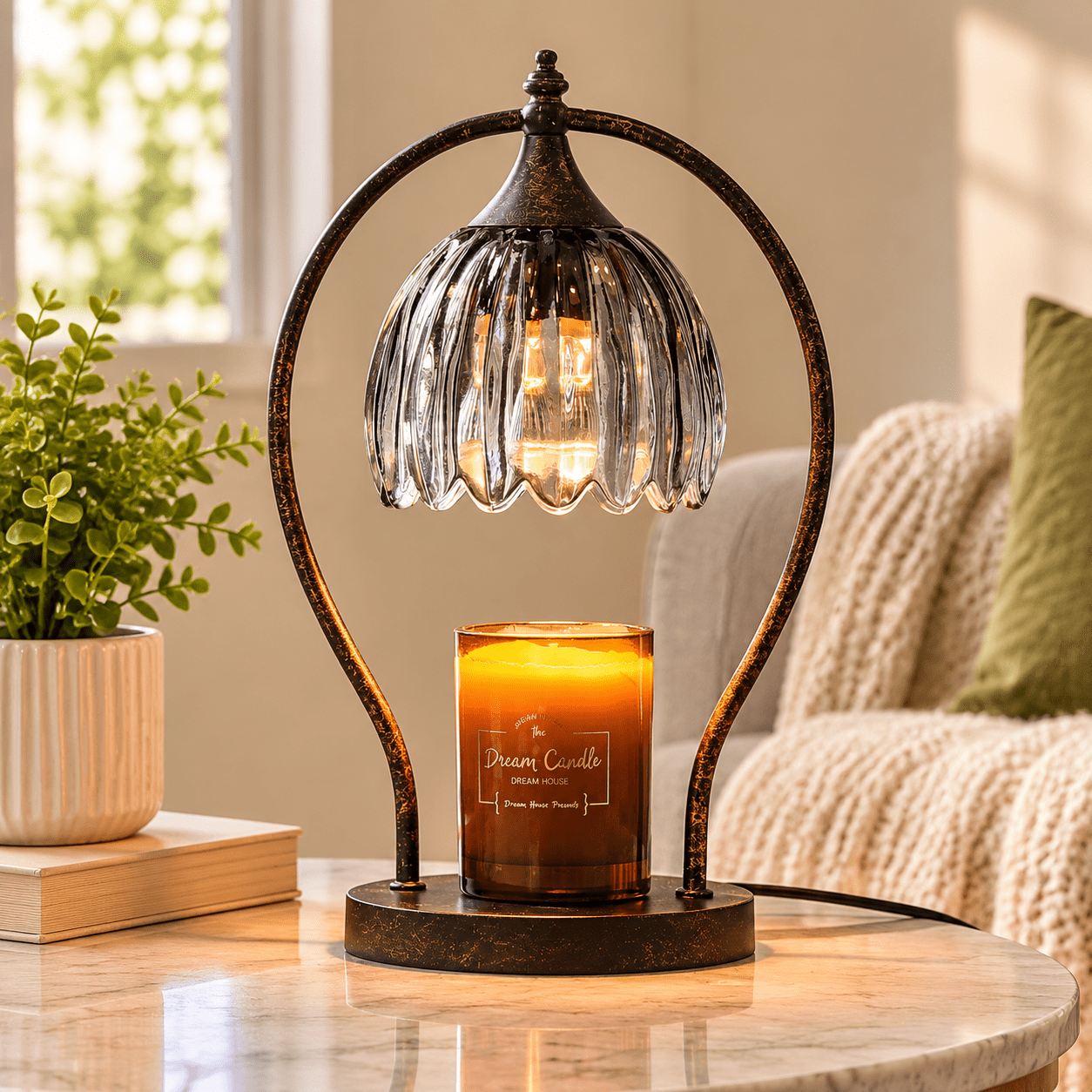
How to use a candle warmer lamp — step-by-step
Quick answer: Confirm compatibility, set the warmer on a stable surface, add the candle or wax, turn on the lamp, and monitor until the wax melts to the desired level.
Prerequisites
- Check the lamp label for voltage and bulb type. In the U.S., most models expect 120 V.
- Use only UL- or ETL-listed warmers when possible.
- Read the candle or wax melt instructions. Some jars are not meant to be heated from the top.
- Have a heat-resistant, level surface (stone, ceramic, or metal tray).
- Keep the warmer at least 12 inches from curtains and flammable items.
Step-by-step
- Place the warmer on a flat, stable surface away from edges.
- Remove dust and debris from the lamp head or plate.
- If using a jar candle: remove any loose wick trimmings and center the jar under the lamp. If using wax melts: place the melt in the melt dish.
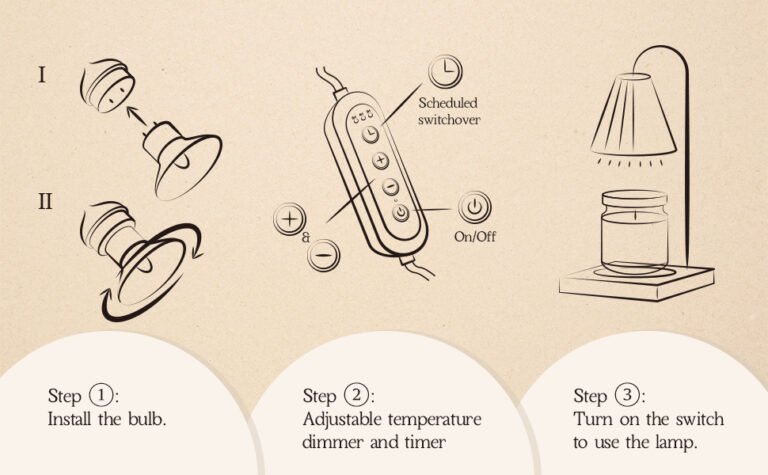
- Install the bulb type the manufacturer specifies. Do not use LED bulbs unless the lamp is designed with an electric heating element that does not depend on bulb heat. LEDs usually do not produce enough heat to melt wax.
- Plug the warmer into a working outlet. For bathrooms or outdoor areas, use a GFCI-protected circuit.
- Turn the lamp on. For lamps with timers, set the desired run time per instructions.
- Watch the wax for the first 10–20 minutes to confirm even melting. Stop the lamp if you notice smoke, a cracked jar, or a burning smell.
- When you want to stop scenting, turn off the lamp and let the wax cool and solidify before moving it.
Signs of correct use
- Wax softens and releases fragrance without dark smoke.
- The jar remains intact with no cracking.
- The heated surface feels warm but not hot to the touch outside the lamp’s intended zones.
What to do if it fails
- If wax does not melt: confirm correct bulb type and wattage and that the bulb is functioning.
- If smell is weak: check that the wax is fully heated (some scents take longer) and that the wax was designed for warmers.
- If jar cracks, switch to a different container and stop using that jar. Consider melted-wax residue removal and inspect for damage.
When to stop and seek help
- If the outlet or plug becomes hot, unplug immediately. If the outlet is damaged or repeatedly overheats, contact a licensed electrician.
- If the lamp emits smoke or flames, unplug from a safe location and call emergency services as needed.
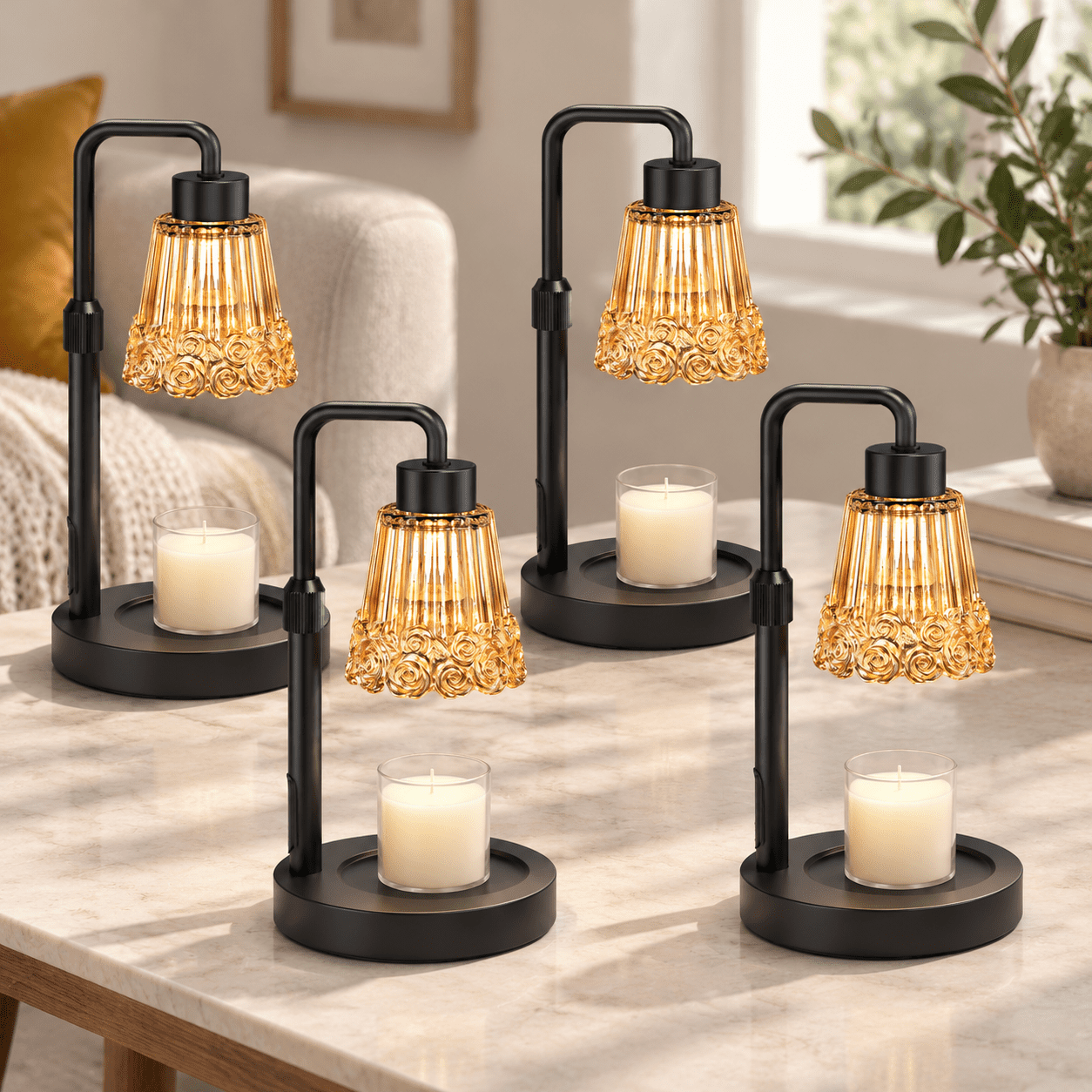
Troubleshooting: symptoms, likely causes, and checks (ordered by usefulness and safety)
Symptom — Wax won’t melt
- Cause: Wrong bulb type (LED) or bulb burned out.
- Check: Verify lamp uses an incandescent or specified heating element. Replace bulb per manual.
- Safety: Unplug before changing bulb.
Symptom — Little or no scent
- Cause: Low-temperature heating, old or low-fragrance wax.
- Check: Confirm correct wattage bulb and run time. Try a fresh wax melt or a different scented jar.
Symptom — Jar cracks or shatters
- Cause: Thin glass, thermal shock, or direct contact with hot bulb.
- Check: Stop use with that jar. Do not use cracked glass. Use jars rated for warmers.
Symptom — Lamp or outlet gets very hot
- Cause: Wrong bulb wattage, poor outlet, or internal fault.
- Check: Unplug the lamp. Use a lower wattage bulb if recommended. If outlet still shows heat with other devices, call an electrician.
Symptom — Smell of burning or visible smoke
- Cause: Wax overheated or foreign material in wax.
- Check: Turn off and unplug. Allow to cool. Inspect wax for contaminants. Dispose if burnt.
Symptom — Lamp won’t power on
- Cause: Blown bulb, bad plug, or tripped breaker.
- Check: Try a new bulb and a different outlet. Reset GFCI or breaker. If wiring seems faulty, get a professional.
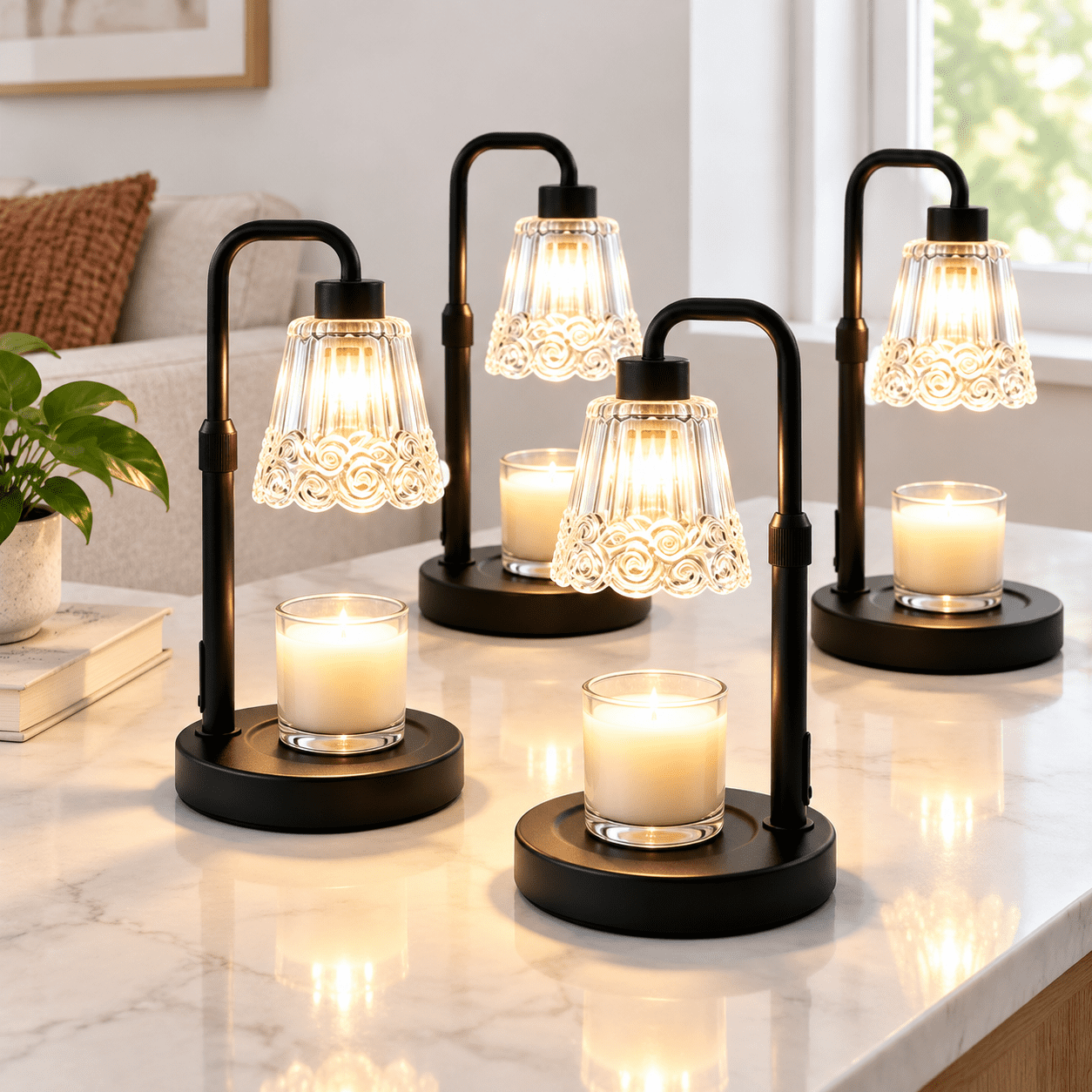
Variables, examples, and decision tips
Main variables to check
- Bulb type and wattage: Follow the lamp label. Common guidance: low-watt incandescent or halogen bulbs supply heat. LEDs usually do not generate enough heat.
- Jar material and thickness: Thick, heat-rated glass is safer. Paper or thin glass is not for warmers.
- Wax type: Pure soy, paraffin, and blends behave differently. Some waxes melt at lower temps; others need more heat. Follow the candle maker’s note about warmers.
- Room size and ventilation: A larger room needs stronger fragrance or longer run time. Open a window if scents or volatile organic compounds (VOCs) cause irritation.
Simple decision guide
- You want flame-free scent and have kids or pets → choose a lamp with a dome-style warmer or low-watt plate and a secure base.
- You want quick, strong scent in a small room → use a higher heat setting or a potpourri-style wax melt designed for warmers.
- You need energy efficiency → prefer models with timers to avoid long run times and bulbs designed for heating efficiency per manufacturer specs.
Example scenarios
- Living room, jar candle: Place jar under dome lamp, use bulb recommended on lamp (often 25–40 W), run 2–4 hours on a timer.
- Small bathroom, wax melts: Use a low-watt plate with short runs. Keep lid on when not in use to conserve fragrance.
- Studio apartment, strong scents: Reduce time per session and increase ventilation to prevent buildup.
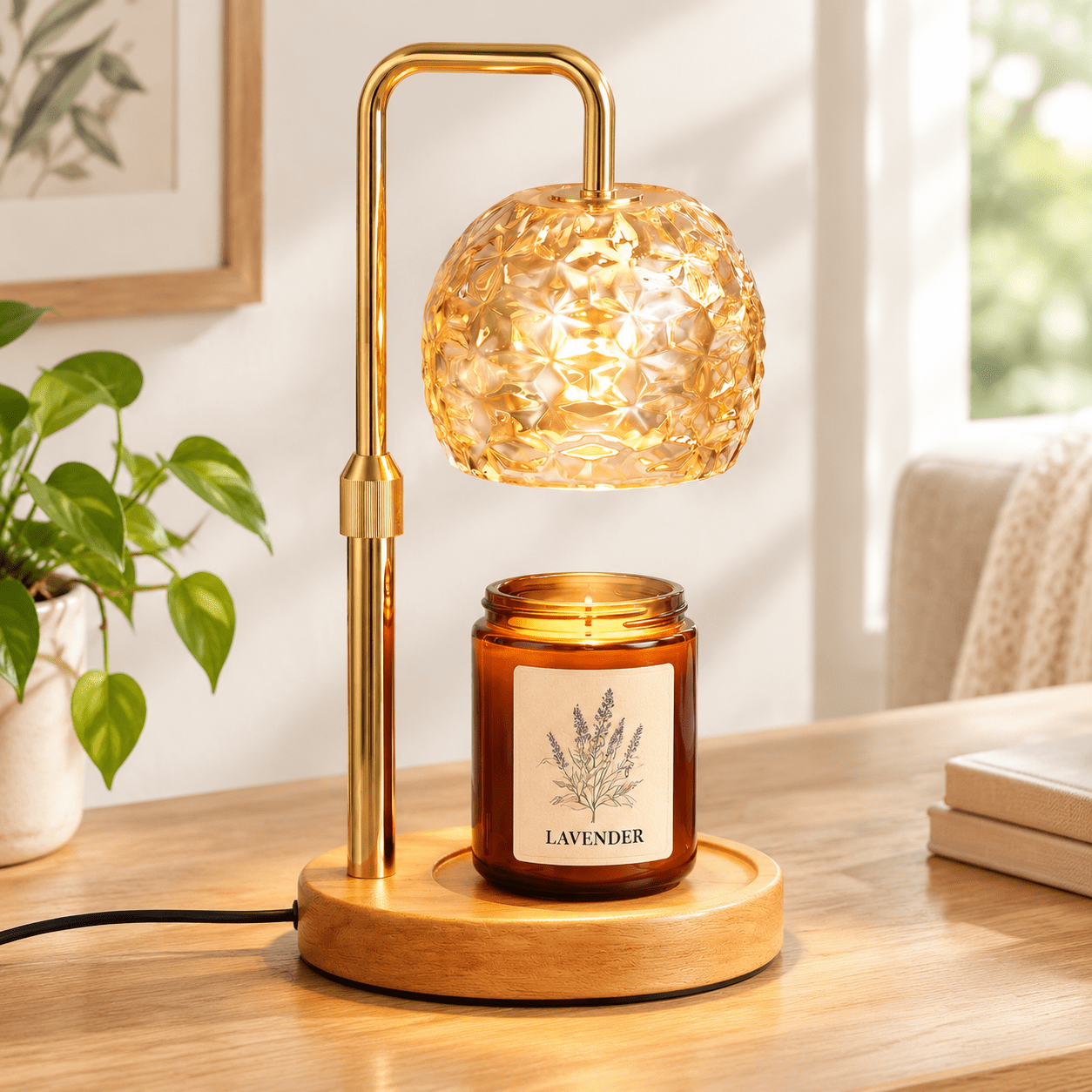
Common mistakes, exceptions, limitations, and safety boundaries
Common mistakes
- Using an LED bulb in a lamp designed to heat with a filament. Result: no melting.
- Overheating wax by using higher-than-recommended bulb wattage. Result: smoke, burnt scent, or glass damage.
- Leaving the warmer unattended for long periods. Result: fire risk, degraded wax, or overheated electronics.
Exceptions and limits
- Not all candles are safe on warmers. Some vintage or decorative jars may crack.
- Some scent oils or waxes produce stronger VOCs when heated. If you or others have breathing issues, avoid long sessions and use low-odor products.
- Never leave a warmer plugged in and unattended while you sleep or away from home.
- Keep warmers away from curtains, paper, and fabrics. Maintain a clear radius of at least 12 inches.
- Keep out of reach of children and pets. Secure cords so they can’t be pulled.
- If the device shows damage, stop use. Do not attempt electrical repairs yourself. Contact the manufacturer or a qualified technician.
When to involve a professional
- Outlet sparks or repeatedly trips breakers — call a licensed electrician.
- Device emits persistent electrical smell or heat after unplugging — consult the manufacturer and consider disposal per local e-waste rules.
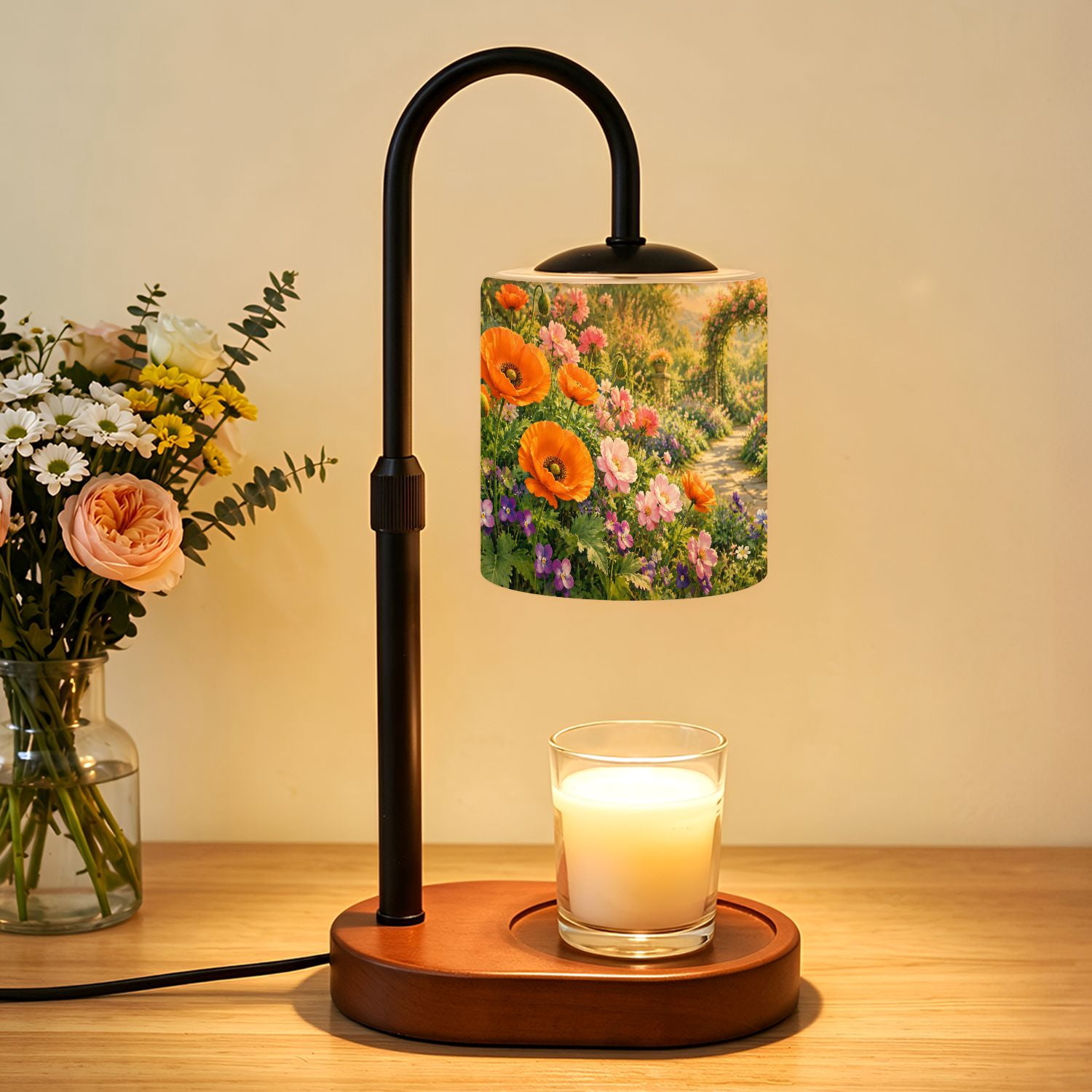
Follow-up questions and next actions (gap map for likely reader needs)
-
Question: Which bulbs are safe for my specific model?
- Stage: Setup.
- Basis: Observed common reader concern in product Q&A.
- Coverage by competitors: SHALLOW—many lists omit exact bulb guidance tied to model types.
- Benefit: Prevents misuse and improves scent results.
- Evidence to add: Manufacturer label and lamp manual.
- Priority: High. Placement: “How to use” and “Variables” sections.
-
Question: Can I use a candle warmer with all jar candles?
- Stage: Selection.
- Basis: Inferred from safety reports about cracked jars.
- Coverage: MISSING in many quick guides.
- Benefit: Avoids glass failure and spills.
- Evidence: Jar ratings and maker instructions.
- Priority: High. Placement: “Variables” section.
-
Question: Does heating wax produce harmful chemicals?
- Stage: Health concern.
- Basis: Observed forum questions on indoor air quality.
- Coverage: SHALLOW—competitors often avoid specifics.
- Benefit: Helps sensitive users decide.
- Evidence: Needs air-quality sources; further research required.
- Priority: Medium. Placement: Separate health-focused article.
-
Question: How do I clean hardened wax from a plate or jar?
- Stage: Maintenance.
- Basis: Observed user care questions.
- Coverage: SHALLOW—many give single tips.
- Benefit: Keeps device safe and efficient.
- Evidence: Manufacturer cleaning instructions.
- Priority: Medium. Placement: “How to use” or a short maintenance add-on.
-
Question: Are there energy-efficient warmer models?
- Stage: Purchase.
- Basis: Inferred from cost and eco queries.
- Coverage: MISSING—reviews list models but lack energy data.
- Benefit: Saves running costs for long use.
- Evidence: Manufacturer wattage and timer features needed.
- Priority: Low-to-medium. Placement: Product comparison page.
If you need specific model advice, check the lamp’s manual or the manufacturer’s support page before buying or using a bulb not listed.
Key takeaways
- Use a candle warmer to enjoy scent without a flame.
- In the U.S., pick a 120 V, safety-listed lamp and follow bulb specs.
- Monitor the first session, use a stable heat-resistant surface, and never leave it unattended.
- Replace cracked jars and call a professional for outlet or electrical faults.
Conclusion: A candle warmer lamp is an easy, often safer way to scent a space when used per the manufacturer’s instructions and common-sense safety rules. If you follow the steps above, you will get fragrance without the risks of an open flame.
FAQs
Q: Can I use any bulb in my candle warmer lamp?
A: No. Use only the bulb type and wattage the lamp maker specifies. Using LEDs in a filament-heated lamp often prevents melting. Too-high wattage can overheat the unit.
Q: How long should I run a candle warmer each session?
A: Follow the manufacturer’s guidance. Typical runs are 1–4 hours. Use a timer for repeat sessions to avoid prolonged heating.
Q: Is a candle warmer better than burning a candle for scent longevity?
A: Warmers release scent without burning wax or wick. This can preserve the wax and reduce soot. Scent strength varies by wax type and heat level.
Q: How do I clean wax from a warmer plate or dish?
A: Let wax cool and harden. Gently pop out solid wax or warm slightly to loosen and wipe with a soft cloth. For residue, follow the manufacturer’s cleaning instructions.
Q: Are candle warmers safe to use in a bedroom or near children?
A: They can be safer than open flames, but keep them out of reach, on stable surfaces, and never leave them running while you sleep or away from home.